Valentine’s Day Plumbing: 5 Ways to Keep Your System’s Heart Beating Strong
February 20, 2026
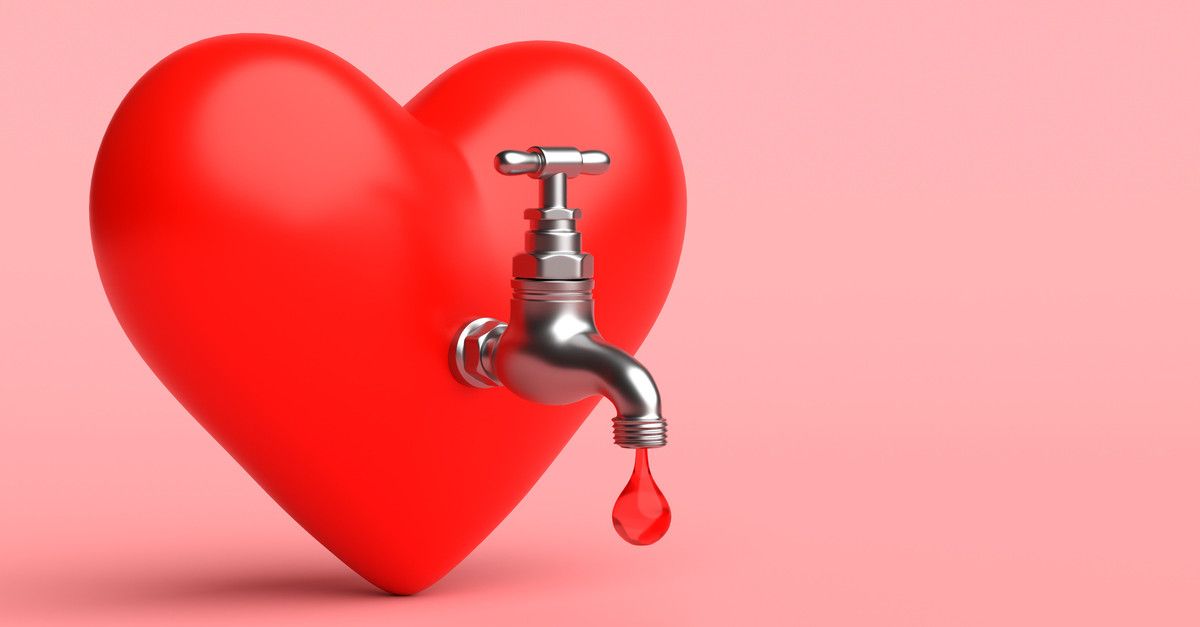
Graphic of water tap connected to a heart shape


Your home’s plumbing system needs plenty of tender loving care to operate at its best. And if home is where the heart is, Valentine’s Day is the right time to show affection and appreciation for the pipes and fixtures that keep its lifeblood flowing. 


The following are five ways to keep your plumbing system’s heart beating strong all year long. 


Watch Out for Leaks

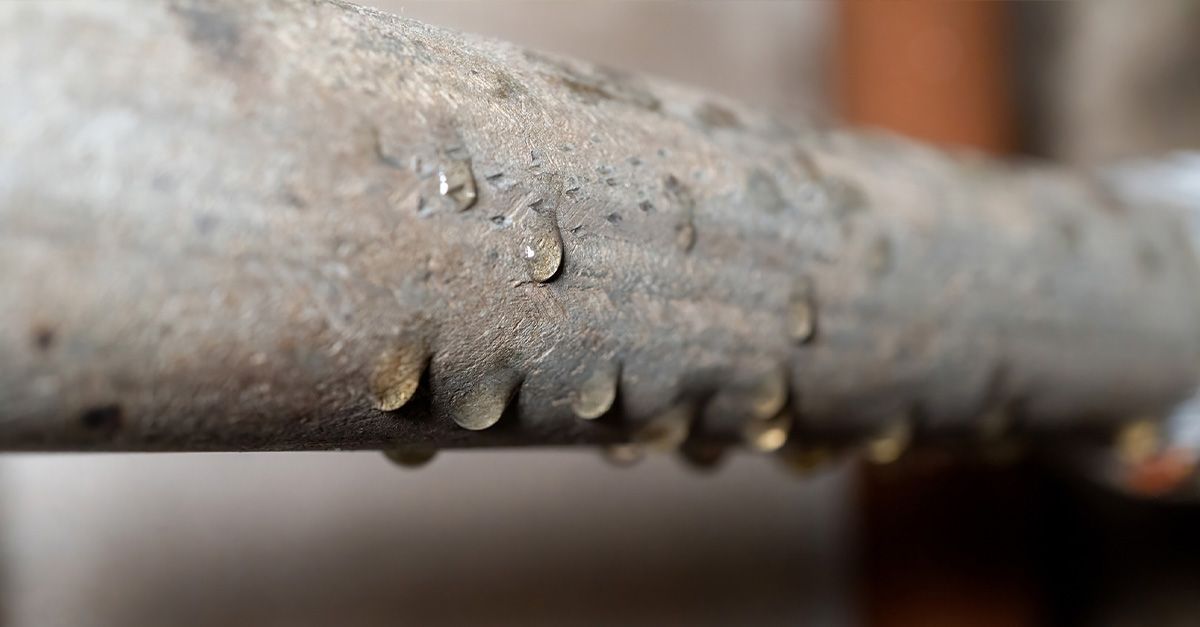
It doesn’t take long for small drips to add up to a sizable, wasteful expense. According to the Environmental Protection Agency (EPA), household leaks can waste nearly 900 billion gallons of water nationwide each year. Keep a watchful eye for signs your plumbing system may be experiencing a leak. Signals can include a spike in your monthly water bill, cracks in your home’s foundation, a pump that runs frequently, water stains on ceilings, unusually low water pressure, the sound of running water when it’s not in use, and more. Plumb Works offers advanced water leak detection and repair services to help keep leaks from overflowing into a more serious, costly problem.  


Your Water Heater: The Heart of the Matter

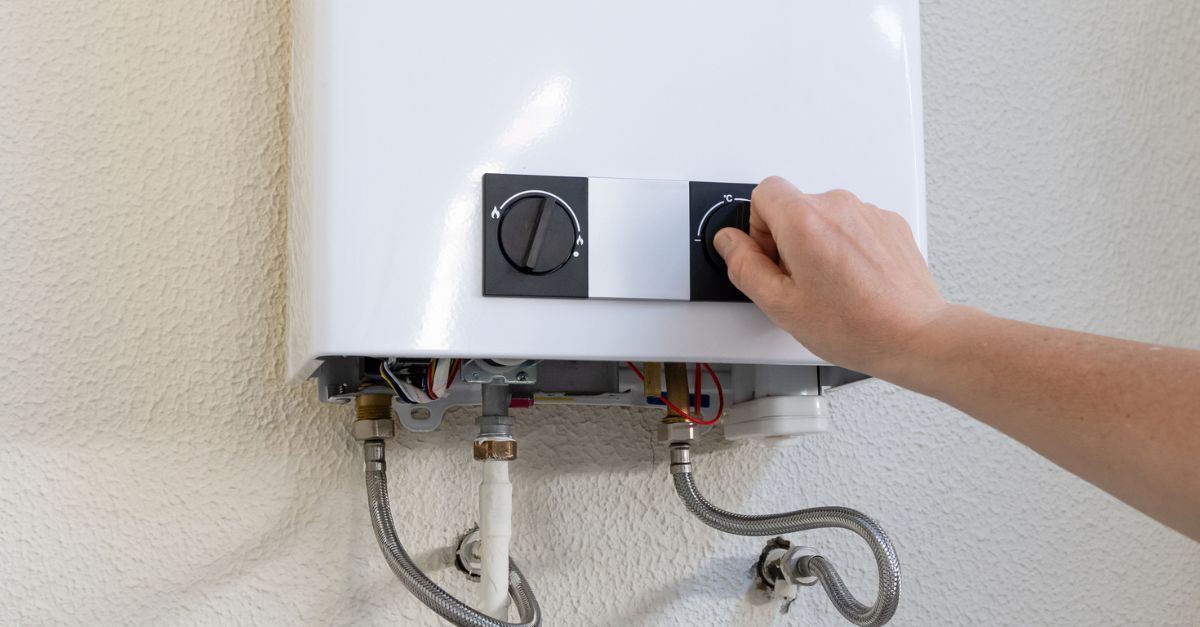
The water heater serves as the heart of your home’s plumbing system, because it supplies hot water and efficient water flow throughout. If the water heater isn’t working properly, it can leave a laundry list of problems in its wake. This can range from more minor issues such as no hot water or sediment build up to bigger problems like high energy bills or potential fire hazards. If you notice insufficient or decreasing water temperature, leaks, murky water, or unusual sounds coming from the water heater, it could signal a bigger problem. The best way to avoid water heater issues is to be proactive and schedule an annual inspection and maintenance, which helps identify issues and extend the lifespan of your unit. 


Have a Good Relationship with Your Drains

If plumbing is considered the circulatory system of your home, the last thing you want to do is clog its arteries. Practicing smart habits when disposing waste protects the integrity of your plumbing system. The Plumbing-Heating-Cooling Contractors Association (PHCC) advises against flushing non-flushable items such as feminine hygiene products, paper towels, and wipes. Doing so can cause backups and clogs. Additionally, never pour oils, grease, and fats down the drain as they can solidify and cause serious blockages.


Locate Your Main Water Shut-Off Valve

In an emergency plumbing situation, such as a burst pipe, stopping water flow is critical. That’s why it’s important to identify the main water shut-off valve and make sure it turns easily. Common valve locations include basements, near water heaters or the laundry room, or in the yard. A Plumb Works professional can help you identify your main water shut-off valve and instruct you on how to properly shut down water flow.


Give Your Pipes a Warm Hug

Freezing temperatures can continue through February and into March, and a burst pipe can be heartbreaking. While winterizing a home in the fall is ideal, it’s not too late to make sure your pipes have proper insulation. Look for exposed pipes in unheated areas, such as basements, crawl spaces, and attics. Wrap them with foam sleeves or other pipe insulation to protect them from the cold. 


Let Plumb Works Give Your Plumbing System Some Love

Plumb Works is your expert source for making sure your home plumbing system is getting the love it deserves. To learn more, reach out by calling 404-524-1825 or scheduling an appointment online. 

January 29, 2026
The following are three of the top plumbing resolutions for your home this year.
January 7, 2026
When a busy restaurant experiences a plumbing issue, every minute counts. High water bills, hidden leaks, and unexpected downtime can impact operations and revenue.
December 18, 2025
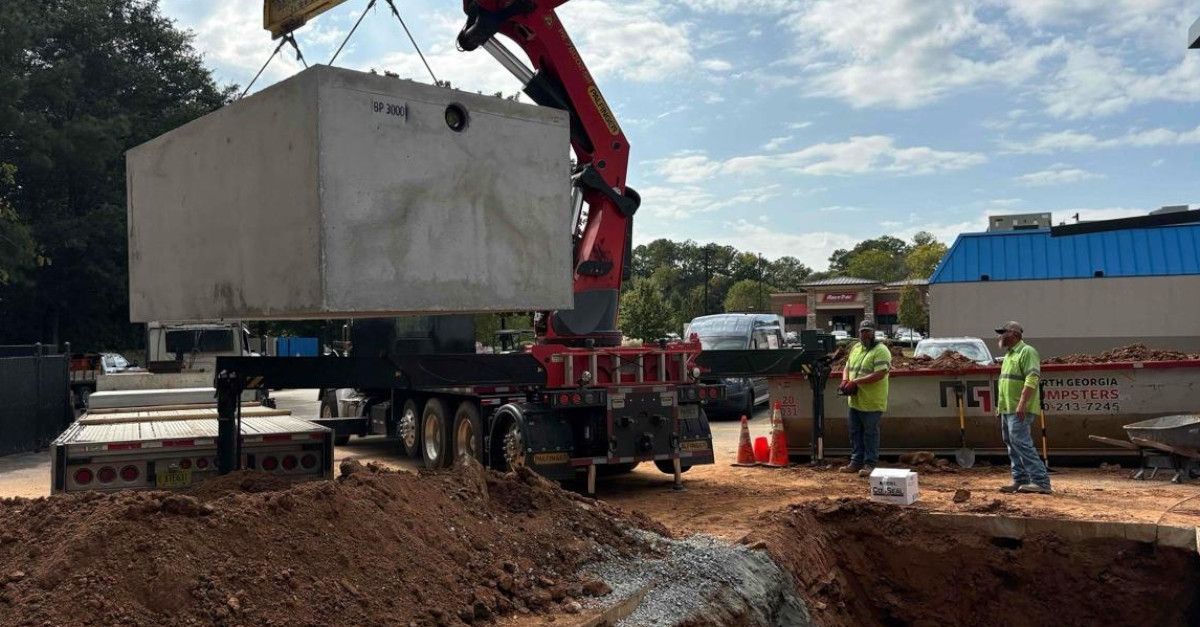
Recently, Plumb Works had the opportunity to partner on a successful grease trap replacement project for an Atlanta-area Kentucky Fried Chicken (KFC) restaurant
Handyman and toolbox
December 12, 2025
Business owners and operators can consider the following commercial plumbing calendar to help bypass any issues that might clog your project pipeline.
By Lizzi Skipper November 25, 2025
Nothing puts the cold chill on the festive holiday season like a frozen or burst pipe. Frozen pipes are bad enough, but when they burst, the problem worsens and can easily lead to flood damage requiring costly repairs. This all-too-common occurrence affects an estimated 250,000 homes in America each year. And Georgia may be a hot bed for frozen pipes. According to a State Farm report released in 2023, Georgia topped the list of frozen pipe-related losses at $100 million (from August 2002-August 2023.) Plumb Works remains your go-to source for frozen or burst pipe calls in our service area. However, there are some simple tips you can apply to protect pipes in cold weather and help avoid a house call. Before the thermometer dips below freezing – that’s 32 degrees Fahrenheit – do the following:
Lenz building
October 21, 2025
When Lenz, Plumb Works’s marketing agency of record, moved into its new home, an historic building on the Decatur Square, it didn’t have to look far.
Water heater inspection
October 2, 2025
October is the perfect time for seasonal plumbing maintenance to make sure your water heater is ready to bring the warmth when you need it most.
Thank you, Eric Ponder for 20 years of service!
October 2, 2025
Eric, thank you—for your 20 years of service, for the integrity you bring to your work, and for being a core part of the Plumb Works family.
September 16, 2025
The arrival of football season often inspires many to create a backyard retreat custom made for game day celebration. Sure, our imaginations can run wild when it comes to adding an outdoor kitchen or gas lines for that dream fire pit or grill. However, before kicking off the big play, the experts at Plumb Works are here to remind you of some key elements.
August 1, 2025
If your home is 30, 40, or even 50 years old, there’s a good chance your gas piping system hasn’t been updated since it was installed. Unfortunately, aging gas pipes can put your home and family at serious risk. Gas lines naturally degrade over time, and older materials are much more likely to develop leaks, corrosion, or even sudden failures. In metro Atlanta, soil conditions and humid weather can speed up deterioration, making it even more important to have your system inspected if your home is decades old. At Plumb Works, we’ve seen firsthand the dangers of outdated gas lines in Atlanta-area homes. Here’s why you shouldn’t wait to have yours evaluated. Why Old Gas Pipes Are a Serious Hazard Gas lines may last for decades, but they don’t last forever. Many Atlanta homes built between 1975-1995 used black iron or galvanized steel gas piping. These older materials are prone to: Corrosion and rust: Atlanta’s humid summers and occasional flooding can accelerate corrosion, especially in crawl spaces or underground lines. Loose connections: Changes in temperature between the hot southern summers and colder winters can weaken threaded connections, leading to leaks. Outdated materials: Galvanized steel pipes used in the past can flake apart internally, causing dangerous blockages. Lack of protective coating: Modern gas lines are coated with fusion-bonded epoxie (FBEs) to resist corrosion, but older pipes generally don’t have that protection. Even small leaks are dangerous because there is no safe level of exposure to natural gas. Natural gas is highly flammable, and any exposure can also lead to serious health issues, including headaches, dizziness, nausea, or even suffocation at high levels. Warning Signs Your Gas Piping Needs Repair or Replacement Because most gas piping runs behind walls or underground, spotting problems isn’t always easy. Here are a few red flags to watch for: A rotten egg smell (the odorant added to natural gas) Hissing or whistling sounds near gas appliances or lines Dead patches of grass above buried gas lines Visible rust or corrosion on any exposed pipes A sudden or unexplained increase in your gas bill If you notice any of these, call a licensed plumber right away. Gas leaks are an emergency and should NEVER be handled as a DIY repair. What Atlanta Homeowners Should Do If Your Gas Piping Is 30-50 Years Old If your home’s gas lines are decades old, schedule a professional inspection even if you haven’t noticed issues. Licensed plumbers in Atlanta, like Plumb Works, can evaluate your system, locate leaks, and determine if repairs or a full replacement are necessary. Modern gas piping materials like CSST (corrugated stainless steel tubing) or polyethylene piping last longer, resist corrosion, and are more flexible for installations around Georgia’s clay-heavy soil. Upgrading your system will not only make your home safer but also more efficient. Don’t Wait Until It’s Too Late Delaying repairs or replacement of old gas pipes can have devastating consequences, including fires, explosions, or carbon monoxide exposure. Addressing the problem now can keep your family safe while protecting your property (and your wallet) from major damage. It’s also crucial to bring your home up to Georgia’s current safety codes. Call Atlanta’s Trusted Gas Line Repair Experts If your Atlanta home was built from 1975-1995 and you’ve never had the gas piping inspected, now is the time. Plumb Works, Inc. specializes in Atlanta gas line repair and gas line replacement . We understand the unique challenges of Georgia’s climate and soil conditions and follow all City of Atlanta and Georgia state codes for gas line safety. Don’t wait until a small leak turns into a dangerous emergency. Call us today or schedule an appointment online using our self-scheduler. Our licensed plumbers will perform a thorough inspection and give you peace of mind knowing your home’s gas piping is safe.
Show More