How to Spring Clean Your Plumbing

March 1, 2025

Spring in Atlanta brings blooming flowers, warmer days, and for many homeowners, a long-overdue checklist of cleaning and home maintenance tasks. While you’re dusting baseboards and organizing closets, don’t forget to add your plumbing system to the list. A little spring cleaning now can prevent major headaches later, especially as the warmer months bring increased water usage and the potential for hidden winter damage to show up.

Here’s how to give your plumbing a seasonal refresh and keep things flowing smoothly.


1. Check for Leaks and Drips

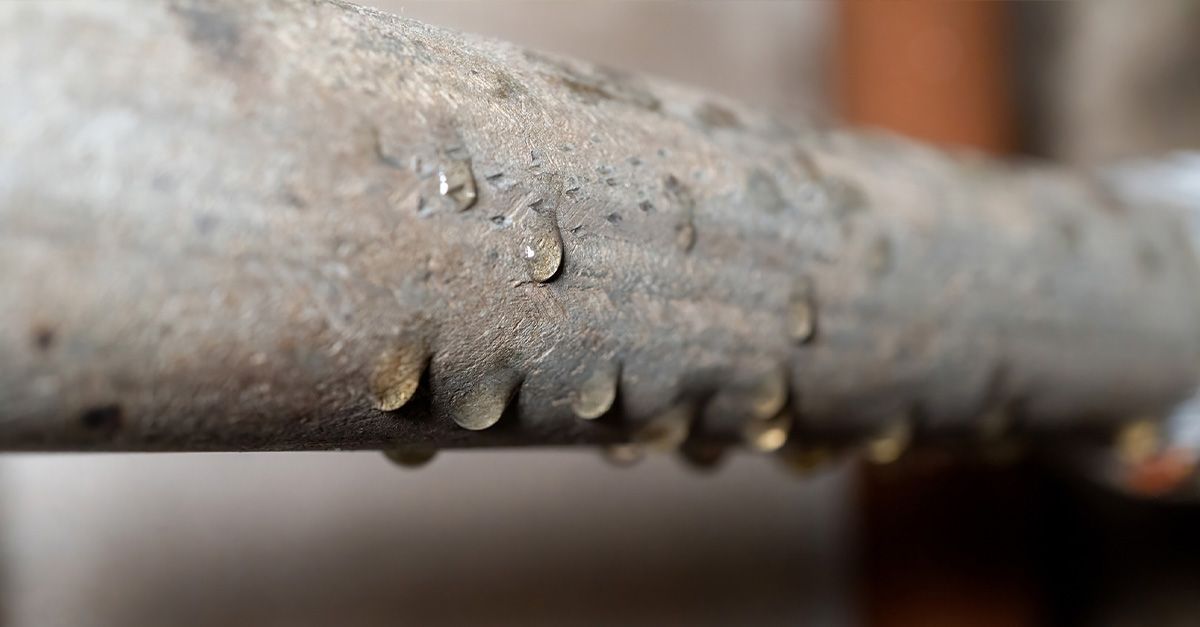
Winter weather, even in Georgia’s relatively mild climate, can take a toll on your pipes. Now’s the perfect time to inspect under sinks, around toilets, and behind appliances for any signs of moisture, corrosion, or mold. Catching a slow leak early can help you avoid water damage and high utility bills down the road.


2. Test Your Water Pressure

Low water pressure might be more than just a minor annoyance. It could signal a hidden leak or sediment buildup in your pipes. Check all your faucets and showers to make sure pressure is consistent. If you notice a drop, it’s worth calling a plumber to investigate before it turns into a larger issue.


3. Clear Out Gutters and Downspouts

This one's not strictly inside your plumbing system, but it’s important. Atlanta spring storms can dump plenty of rain in a short time. Clean gutters and downspouts ensure proper drainage away from your home, reducing the risk of basement leaks and foundation problems.


4. Flush Your Water Heater

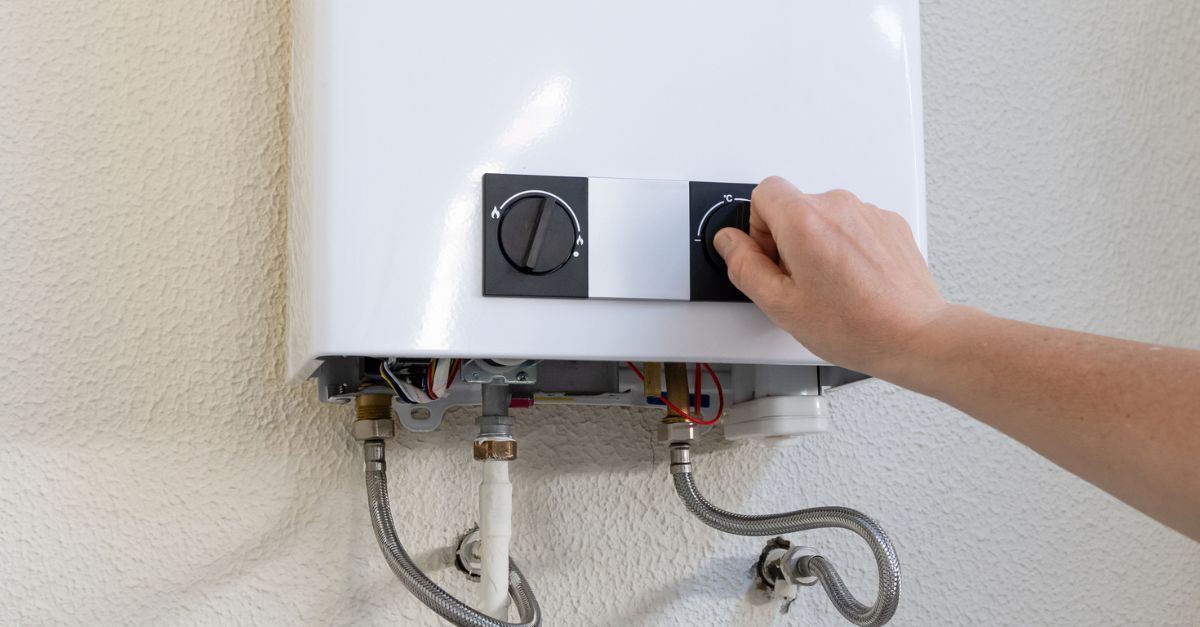
Sediment builds up in your water heater over time, which can reduce efficiency and shorten its lifespan. Flushing the tank once a year (spring is ideal) helps keep your hot water running strong. If you’re not comfortable doing this yourself, a licensed plumber can handle it safely and quickly.


5. Inspect Outdoor Faucets and Hoses

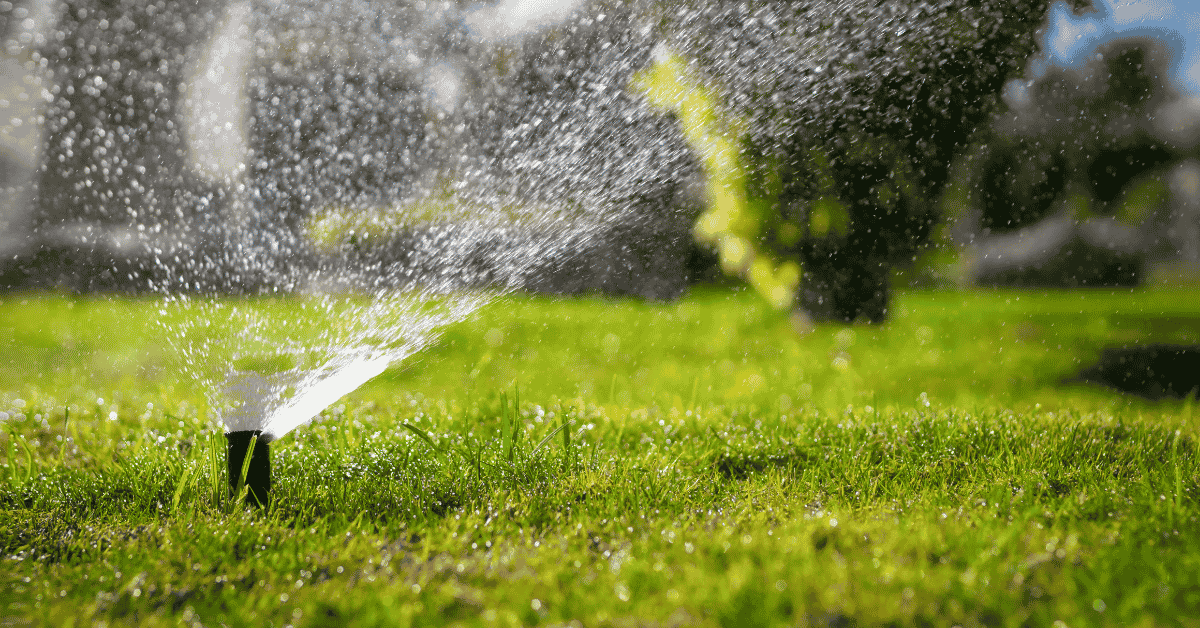
If you turned off your outdoor water supply over the winter, now’s the time to turn it back on and inspect your spigots and hoses. Look for cracks or leaks caused by freezing temperatures. An undetected outdoor leak can waste a surprising amount of water and may cause damage to your home's exterior.


6. Schedule a Sewer Line Inspection

Tree roots love to grow in spring, and unfortunately, they often find their way into aging sewer lines. If you’ve noticed frequent clogs or slow drains, it may be time for a camera inspection. Early detection can help you avoid an expensive and messy backup later in the season.


7. Upgrade Fixtures for Efficiency

Spring cleaning is all about refreshing your home, and your plumbing fixtures are no exception. Consider upgrading to eco-friendly plumbing options like low-flow toilets or aerated faucets to reduce your water usage. Not only will you save on your utility bill, but you’ll also be doing your part for the environment.


Call Plumb Works for All Spring Plumbing Maintenance

Not every plumbing issue is visible at a glance, and sometimes it takes a trained eye to catch problems before they escalate. At Plumb Works, Inc. our Atlanta-based plumbers can help you cross off your spring plumbing checklist with confidence. From inspections to upgrades, we’re here to keep your home running smoothly all year long.

Need help with your spring plumbing maintenance? Give us a call or schedule an appointment online today!
December 18, 2025
Recently, Plumb Works had the opportunity to partner on a successful grease trap replacement project for an Atlanta-area Kentucky Fried Chicken (KFC) restaurant
Handyman and toolbox
December 12, 2025
Business owners and operators can consider the following commercial plumbing calendar to help bypass any issues that might clog your project pipeline.
By Lizzi Skipper November 25, 2025
Nothing puts the cold chill on the festive holiday season like a frozen or burst pipe. Frozen pipes are bad enough, but when they burst, the problem worsens and can easily lead to flood damage requiring costly repairs. This all-too-common occurrence affects an estimated 250,000 homes in America each year. And Georgia may be a hot bed for frozen pipes. According to a State Farm report released in 2023, Georgia topped the list of frozen pipe-related losses at $100 million (from August 2002-August 2023.) Plumb Works remains your go-to source for frozen or burst pipe calls in our service area. However, there are some simple tips you can apply to protect pipes in cold weather and help avoid a house call. Before the thermometer dips below freezing – that’s 32 degrees Fahrenheit – do the following:
Lenz building
October 21, 2025
When Lenz, Plumb Works’s marketing agency of record, moved into its new home, an historic building on the Decatur Square, it didn’t have to look far.
Water heater inspection
October 2, 2025
October is the perfect time for seasonal plumbing maintenance to make sure your water heater is ready to bring the warmth when you need it most.
Thank you, Eric Ponder for 20 years of service!
October 2, 2025
Eric, thank you—for your 20 years of service, for the integrity you bring to your work, and for being a core part of the Plumb Works family.
September 16, 2025
The arrival of football season often inspires many to create a backyard retreat custom made for game day celebration. Sure, our imaginations can run wild when it comes to adding an outdoor kitchen or gas lines for that dream fire pit or grill. However, before kicking off the big play, the experts at Plumb Works are here to remind you of some key elements.
August 1, 2025
If your home is 30, 40, or even 50 years old, there’s a good chance your gas piping system hasn’t been updated since it was installed. Unfortunately, aging gas pipes can put your home and family at serious risk. Gas lines naturally degrade over time, and older materials are much more likely to develop leaks, corrosion, or even sudden failures. In metro Atlanta, soil conditions and humid weather can speed up deterioration, making it even more important to have your system inspected if your home is decades old. At Plumb Works, we’ve seen firsthand the dangers of outdated gas lines in Atlanta-area homes. Here’s why you shouldn’t wait to have yours evaluated. Why Old Gas Pipes Are a Serious Hazard Gas lines may last for decades, but they don’t last forever. Many Atlanta homes built between 1975-1995 used black iron or galvanized steel gas piping. These older materials are prone to: Corrosion and rust: Atlanta’s humid summers and occasional flooding can accelerate corrosion, especially in crawl spaces or underground lines. Loose connections: Changes in temperature between the hot southern summers and colder winters can weaken threaded connections, leading to leaks. Outdated materials: Galvanized steel pipes used in the past can flake apart internally, causing dangerous blockages. Lack of protective coating: Modern gas lines are coated with fusion-bonded epoxie (FBEs) to resist corrosion, but older pipes generally don’t have that protection. Even small leaks are dangerous because there is no safe level of exposure to natural gas. Natural gas is highly flammable, and any exposure can also lead to serious health issues, including headaches, dizziness, nausea, or even suffocation at high levels. Warning Signs Your Gas Piping Needs Repair or Replacement Because most gas piping runs behind walls or underground, spotting problems isn’t always easy. Here are a few red flags to watch for: A rotten egg smell (the odorant added to natural gas) Hissing or whistling sounds near gas appliances or lines Dead patches of grass above buried gas lines Visible rust or corrosion on any exposed pipes A sudden or unexplained increase in your gas bill If you notice any of these, call a licensed plumber right away. Gas leaks are an emergency and should NEVER be handled as a DIY repair. What Atlanta Homeowners Should Do If Your Gas Piping Is 30-50 Years Old If your home’s gas lines are decades old, schedule a professional inspection even if you haven’t noticed issues. Licensed plumbers in Atlanta, like Plumb Works, can evaluate your system, locate leaks, and determine if repairs or a full replacement are necessary. Modern gas piping materials like CSST (corrugated stainless steel tubing) or polyethylene piping last longer, resist corrosion, and are more flexible for installations around Georgia’s clay-heavy soil. Upgrading your system will not only make your home safer but also more efficient. Don’t Wait Until It’s Too Late Delaying repairs or replacement of old gas pipes can have devastating consequences, including fires, explosions, or carbon monoxide exposure. Addressing the problem now can keep your family safe while protecting your property (and your wallet) from major damage. It’s also crucial to bring your home up to Georgia’s current safety codes. Call Atlanta’s Trusted Gas Line Repair Experts If your Atlanta home was built from 1975-1995 and you’ve never had the gas piping inspected, now is the time. Plumb Works, Inc. specializes in Atlanta gas line repair and gas line replacement . We understand the unique challenges of Georgia’s climate and soil conditions and follow all City of Atlanta and Georgia state codes for gas line safety. Don’t wait until a small leak turns into a dangerous emergency. Call us today or schedule an appointment online using our self-scheduler. Our licensed plumbers will perform a thorough inspection and give you peace of mind knowing your home’s gas piping is safe.
June 16, 2025
Plumbing can be intimidating. But not every plumbing fix requires a call to the pros. In fact, there are a handful of simple plumbing tasks that just about anyone can tackle with a little patience and the right guidance. Whether you’re a new homeowner, a renter, or just tired of paying for every minor leak or clog, this one’s for you.
May 1, 2025
Here’s a closer look at the most common summer sewer concerns and how to stay ahead of them before they become major (and messy) problems.
Show More