The Pros and Cons of Water Filters
debbie • February 13, 2020
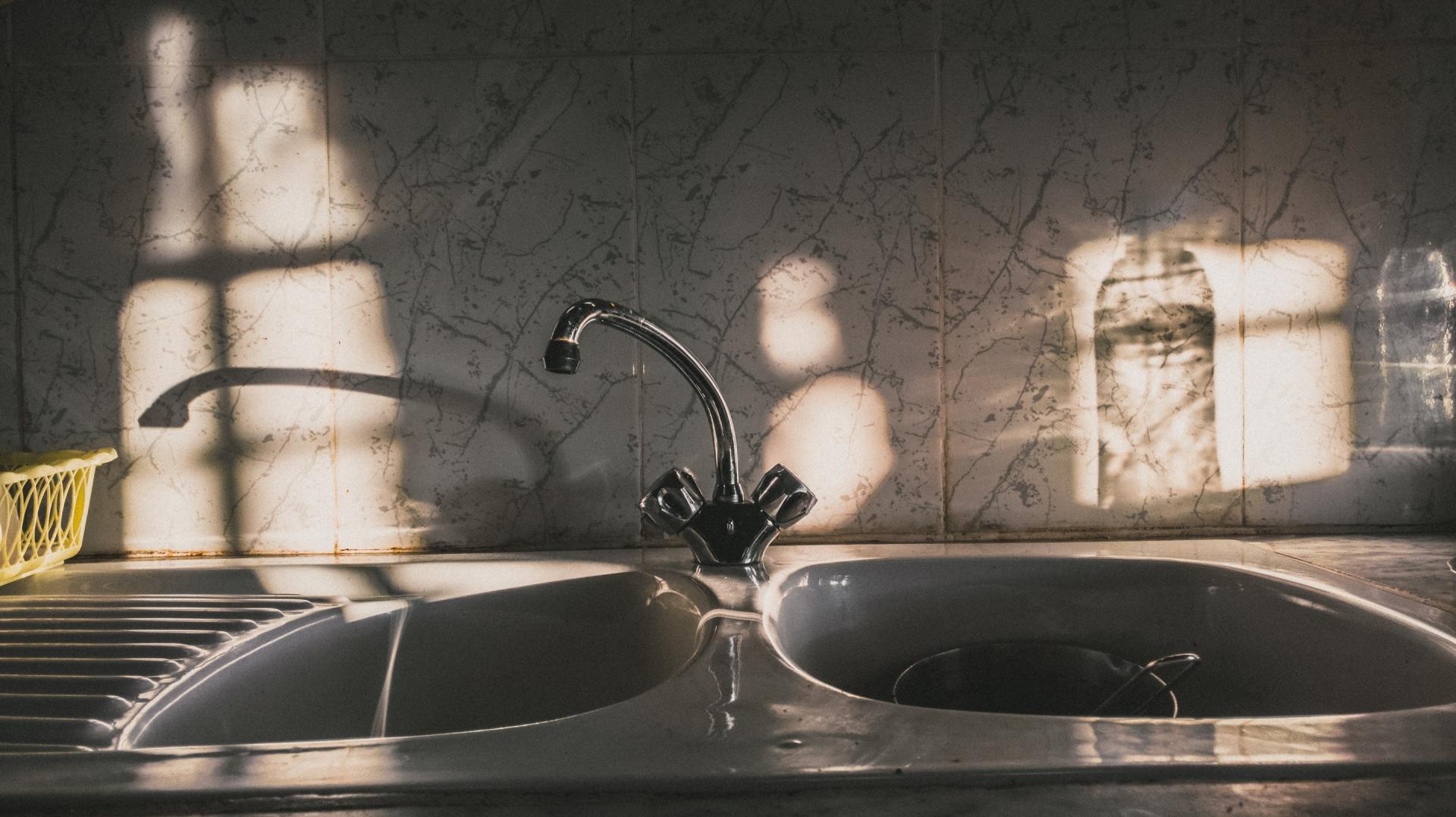
Local water treatment facilities help keep our water clean and sanitary. But with news of lead contamination in some areas, as well as sediment, chemicals, and micro-organisms that can be transported through our faucets, some people feel more confident in the water they drink when it’s filtered. Not only can water filtration services
reduce contaminants, but they can also improve the taste of your water, and potentially help reduce the incredible amount of waste produced by disposable plastic water bottles. But what type of water filters are available in today’s market, and which one is best for you?
Whole House/Point of Entry Systems
As the name implies, point of entry water filtration systems are installed at the point where water enters the building. These systems remove bad tastes and odors before they are fed into your home, and may include water softeners to reduce hardness. Whole house systems are essential for homes using well water, as point of entry systems prevent many groundwater contaminants from entering your pipes. All water is filtered or treated, whether for drinking, laundry, bathing, cooking, or watering the lawn. The benefit to whole house filtration systems is that every faucet inside and outside the home delivers clean, safe water that tastes great. And, in addition to great tasting water, you also get filtered water going to your plumbing fixtures, which could mean fewer repairs in the long run. If the system uses filters, they’ll need to be replaced every few years, depending on the model.
Point of Use Water Filters
Point of use systems are installed at each point in the home where they’ll be used. Most consumers install these systems to filter water for drinking, cooking, or bathing. Tucked under a sink or behind a shower panel, point of use systems are compact and provide reliable filtration just before use. Point of use water filters are great for daily use, and they can be highly beneficial people with compromised immune systems. These systems are generally less expensive than whole house water filtration systems, but they do require more frequent filter replacements. If you are looking for a complete water filtration solution, install both point of entry and point of use systems, and enjoy safe, clean, great-tasting water everywhere in your home!
If you’re still a little cloudy on the topic, call Plumb Works Inc. for more information on water filters that fit your needs and your budget! We’ll help determine which water filtration system is right for you, and schedule a quick, convenient service to get it installed. Don’t wait, call today! 404-524-1825
Frequently Asked Questions about Water Filters
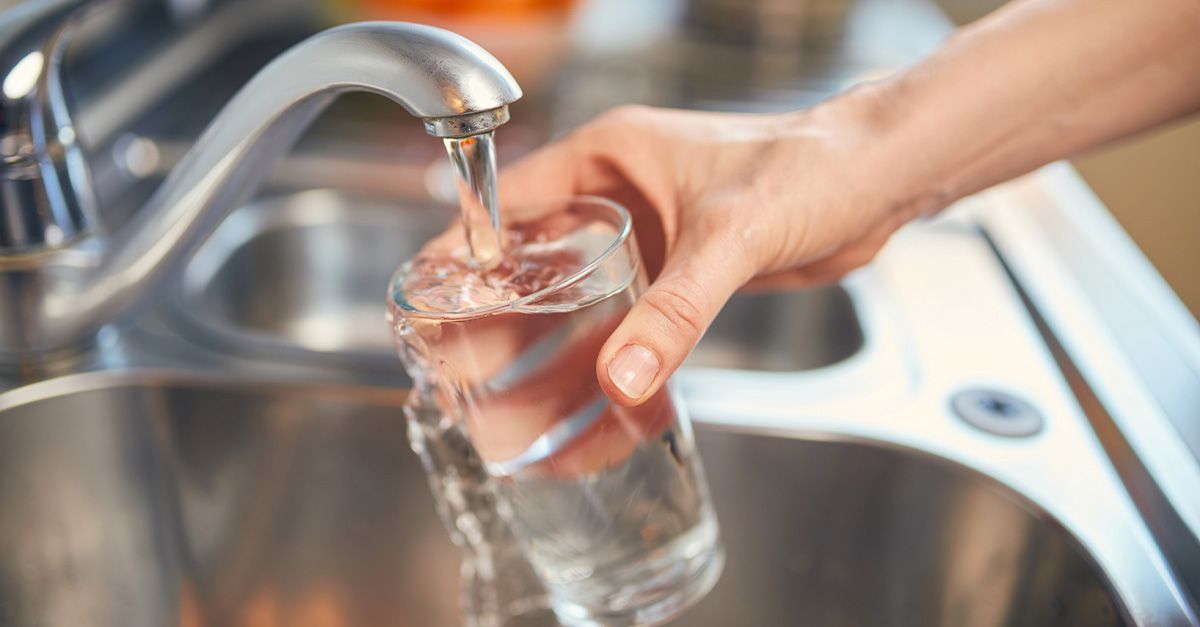
August is National Water Quality Month, a time dedicated to reflecting on the importance of the water we drink, bathe in, and use every day.
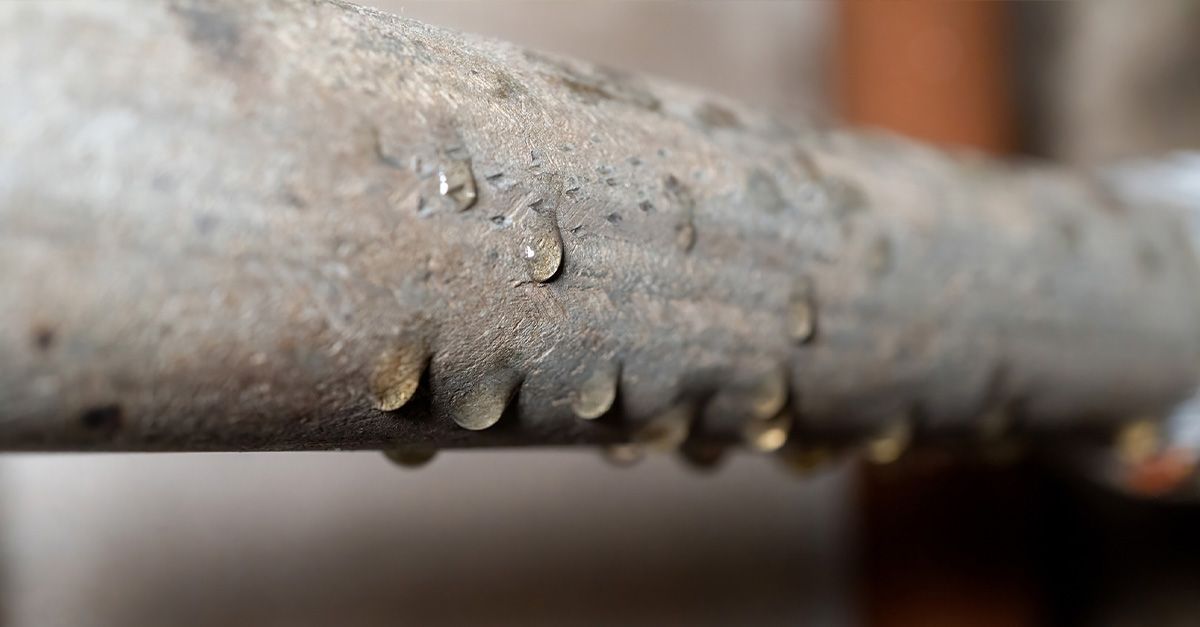
There’s one thing Atlantans have in common during our sizzling summers: at one time or another, we’re all sweating.
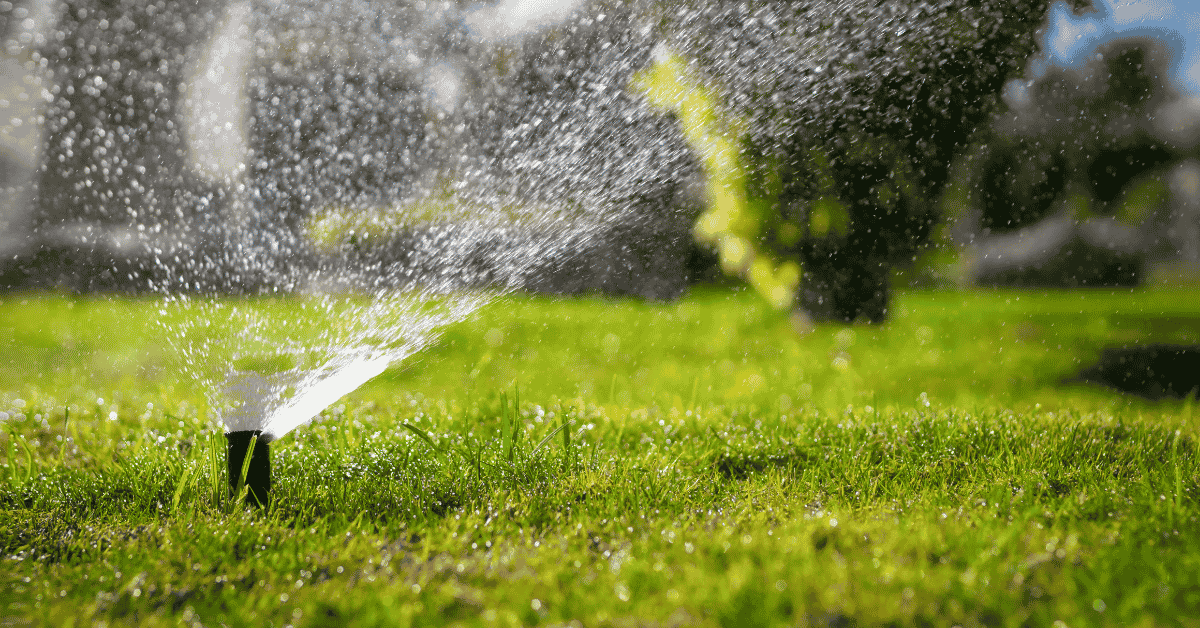
With Atlanta temps hitting 90°F+ this summer, water use spikes. Learn how to protect your home and wallet with tips from Plumb Works.
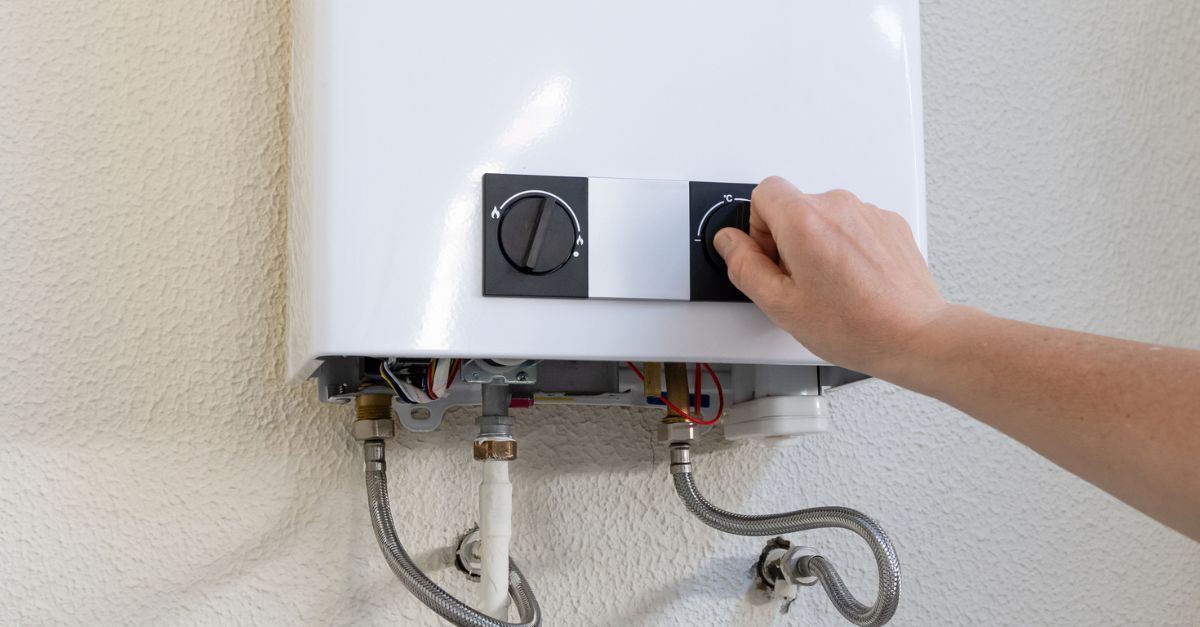
Today, more and more consumers are bypassing traditional water heaters for tankless versions, especially those looking for a more eco-conscious, money-saving alternative.

When we think about spring cleaning our home, images like decluttering the garage or washing windows often come to mind. However, spring cleaning our home water quality isn’t always top of mind. Yet the time is certainly right.
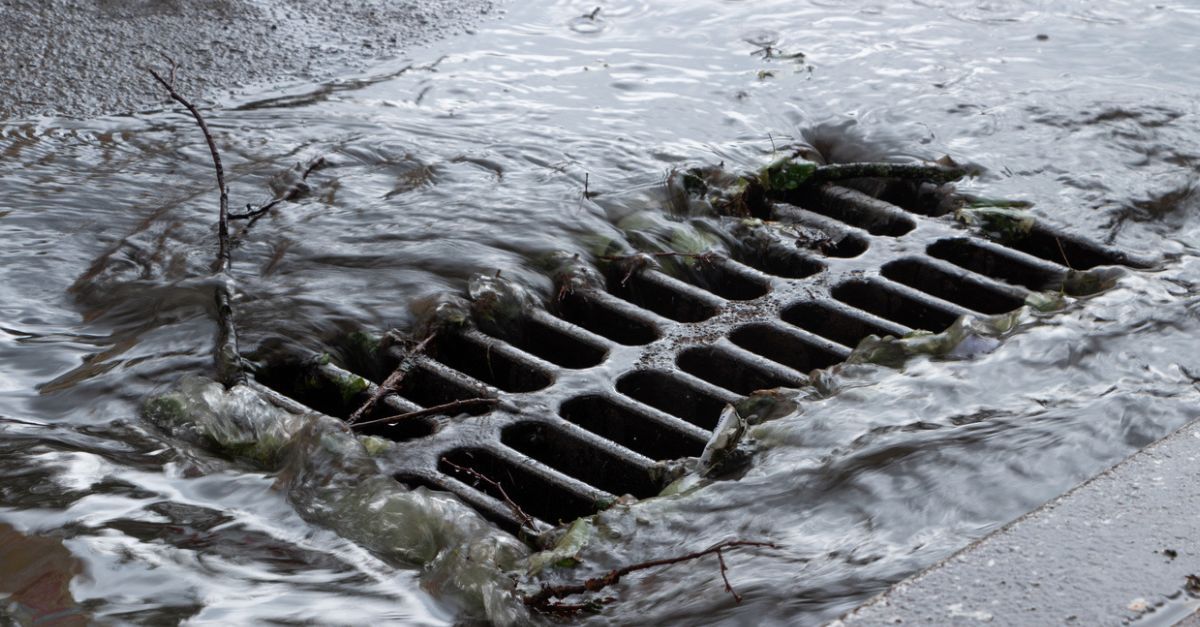
Being proactive remains a key element of a successful business, and it certainly holds true when preparing for the possible devastating effects of stormy season. Spring remains one of the Atlanta area’s rainiest times of the year. According to Weather Spark, the average monthly rainfall from March through May ranges from 3 to 4.6 inches. Heavy spring storms can rain hard on a commercial facility. If unprepared, it can potentially lead to serious problems, causing everything from business downtime to costly repercussions. The following are several heavy rain-related issues that can cast a dark cloud on a commercial building and how to avoid them. Sump Pump: Fighting the Flood When it comes to flooding, stormwater remains a dreaded culprit. Having a properly functioning sump pump can help proactively help fight a flood. A sump pump collects groundwater from around a building’s foundation and pumps it away from the structure, deterring damage. Plumb Works suggests all businesses have one, especially those with a crawlspace or basement. Consult the experts at Plumb Works for sump pump installation, replacement, and preventative maintenance. Protection from Sewer Backups Heavy rains can overload a city’s sewer system. Backwater valves, a specific type of backflow prevention device, protect businesses from sewer backups by allowing wastewater out, but automatically closing to keep sewage from flowing backward. Plumb Works can install, test, and make sure your backwater valve is working properly. The Importance of Storm Drains Commercial storm drains are equipped to drain excess rain and groundwater from the areas surrounding a business, such as parking lots and sidewalks, preventing flooding, damages, and unsafe conditions. Some storm drain systems include a catch basin, which captures stormwater and separates any debris that may have come along with it. Having Plumb Works inspect, clean, and repair storm drains and catch basins can help businesses avoid a flood of unwanted costs. Cutting Out Grease Commercial kitchens require a grease trap, which keeps the plumbing system from being impacted by an overload of grease. If a grease trap isn’t functioning properly, it can have an adverse effect on a plumbing system during heavy rain. Too much grease limits pipe capacity, which can cause heavy rain to overwhelm a system, leading to backups. To avoid this, consult a plumbing professional company like Plumb Works that specializes in grease trap services. Avoiding Clogged Drains Plumbing systems in commercial facilities often fall prey to clogged pipes due to unwanted items being flushed or disposed of down drains. This can further complicate things when a mass amount of rain overwhelms a plumbing system. Businesses experiencing frequent clogs can benefit from hydro jetting. The most effective drain-cleaning solution available, hydro jetting uses high-pressure water jets to blast through clogged drains and restore peak plumbing performance. Schedule hydro jetting in advance of the rainy season to make sure pipes are functioning at their best under any possible pressure. Plumb Works Can Help Protect Your Business During Rainy Season Don’t let your business get washed away due to flooding and sewer backup challenges during the rainy season. Lean on a Plumb Works expert by calling 404-524-1825 or scheduling an appointment online.

When Lenz, Plumb Works’s long-time marketing agency of record, chose its new headquarters on Decatur Square, they didn’t have to look far for a plumbing partner that could get the job done right — literally right down the street.
The following are five ways to keep your plumbing system’s heart beating strong all year long.
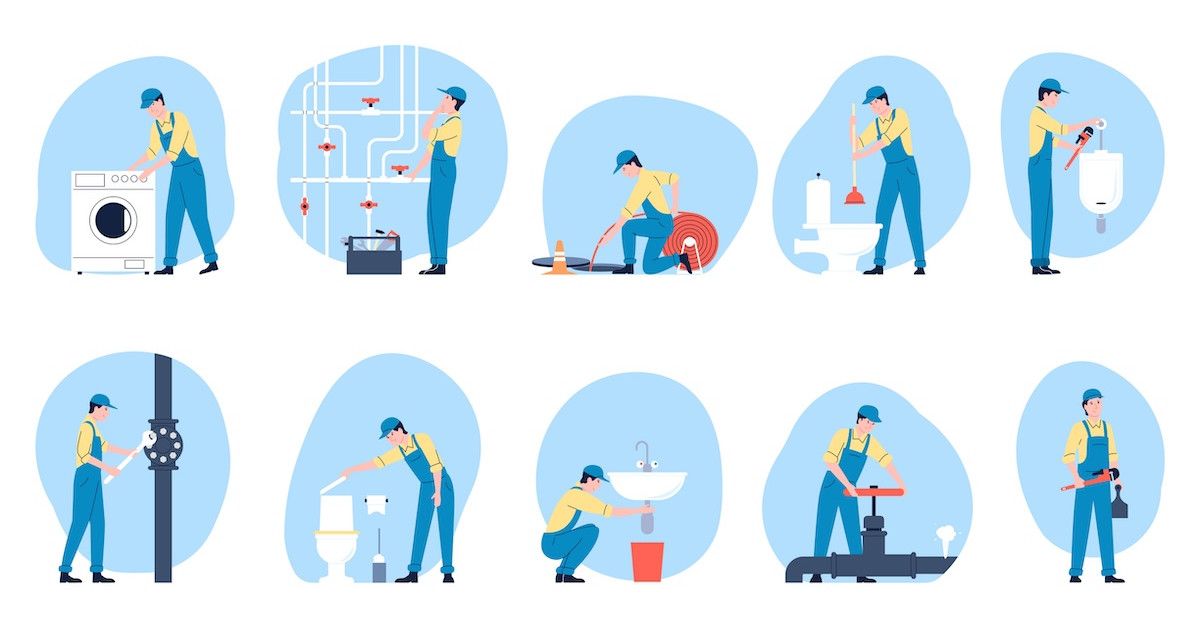
The following are three of the top plumbing resolutions for your home this year.

When a busy restaurant experiences a plumbing issue, every minute counts. High water bills, hidden leaks, and unexpected downtime can impact operations and revenue.