5 Tips to Keep Your Pipes from Freezing
Plumb Works Inc • January 14, 2021
frozen pipe prevention

While Georgia typically has mild winters, it’s a misconception to assume that frozen pipes are not an issue when temperatures begin to drop in the peach state. Freezing temperatures are a problem whether you live in Atlanta or Antarctica. In fact, we suspect people in the south are more likely to suffer the effects of frozen plumbing because the deep freezes we get here are so few and far between.


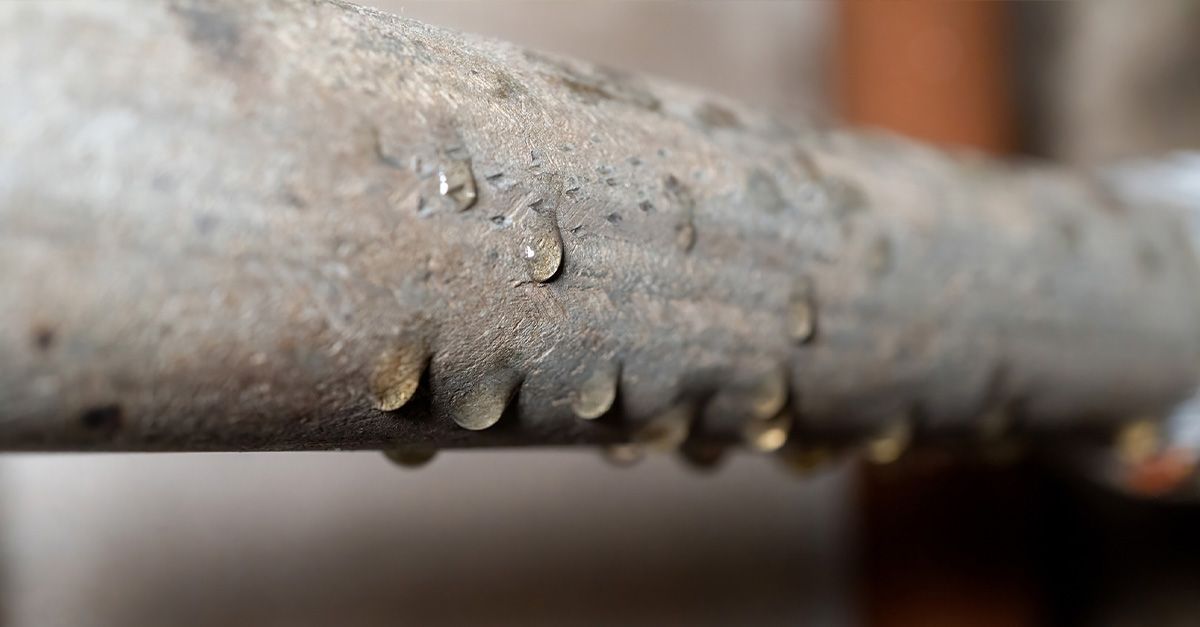
When water in a pipe freezes, it can create pressure that can cause the pipe to burst. If no one is around to detect the break or notice a leak, or are not quick enough in turning off the water, serious flooding and damage to your home and belongings can occur. Emergency
burst pipe repairs are available through reputable plumbing companies, but it’s best to also try to be proactive. 


It’s possible to prevent frozen pipes by taking measures to keep them warm when the temperature dips. Don’t bury your head in the sand this winter; here’s what you need to do now to protect your pipes from the next big drop in temps.


Insulate Your Plumbing

Pipes are actually more likely to freeze in homes that are in warmer climates, because the pipes may not be properly insulated to protect against cold temperatures or are located outdoors. In fact, by far and away the most common reason pipes freeze in the Atlanta area is because they’re not insulated. 


Exposed piping running through unheated areas such as basements and crawl spaces is far more susceptible to freezing than pipes clad in easy-to-install insulative materials. Ensure your water supply pipes are insulated to help ease concerns about flooding and water damage. Need help? Call an
Atlanta area plumber. They’ll have the know-how and expertise needed to fix you up with insulation and other plumbing services you may need.

Leave the Heat On

The only thing worse than a burst pipe is a burst pipe when you’re out of town. Leaks gone unchecked can rack up a high water bill in no time, as well as wreak havoc on electrical systems and porous surfaces like drywall, carpet and wallpaper. If you’re headed out of town for vacation and the weather looks like it will be getting frosty, leave your heat on! And if you’re renting out your property, make sure to tell your tenants to do the same and explain that it will help keep the pipes from freezing. The heat doesn’t need to be on as high as it is when you’re at home. Just set the thermostat to at least 60 degrees, to ensure the plumbing inside the house stays nice and warm until you return.

Seal Cracks

Pipes normally are run through holes in the walls or floor, and gaps in those holes can let cold air in. Checking for any places where cold air is coming in from the outside, as well as sinks and other taps that abut exterior walls, is advised. Sealing holes on both sides with caulk or foam insulation will help keep the cold air out and the warm air in.

Open Doors/Cabinets

If you’re particularly worried about a handful of pipes–the ones in your washing machine, the system under your kitchen sink, etc.–leave all interior doors and cabinets open overnight when it’s coldest. This will help regulate the air temperature even more by helping the heat from your home circulate and keep the air in cabinets warm.

Let it Drip

This is probably one of the most common pieces of advice for keeping pipes from freezing. Opening the faucets in your home just enough to allow them to drip slowly overnight is not going to break the bank in terms of water usage. If you want, put a bowl beneath it so you can reuse the water on a plant in the morning! Dripping faucets keep the pressure of freezing water from building up, bursting your pipes.


What To Do If Your Pipes Freeze


Sometimes, you can do all of these things and your pipes will still freeze. But how do you tell if your pipes have frozen? If the temperature has dipped below 32 degrees fahrenheit outside, it’s always a possibility. If you turn on a faucet during freezing temps and little to no water is coming out, you likely have a frozen pipe. Another way to check is to look at your water meter.


If you have frozen pipes, don’t wait to take steps to correct it. If the pipes under your sink appear frosted, it could be useful for you to try to thaw the pipe yourself with a hairdryer or by wrapping the pipe in hot towels. If you can’t locate the frozen pipe, or don’t want to cause further damage looking for the pipe, call an emergency plumber near you immediately and follow their instructions while you wait.


Atlanta Emergency Plumbers

Plumb Works Atlanta emergency plumbers are on standby to assist you with your frozen pipe issues. We treat our customers’ plumbing issues as if they are our own, providing quality of work and customer service that can’t be matched by our competitors. As a plumbing company serving the Atlanta area for three decades, we are available to meet your needs. Give us a call today: 404-524-1825


 Frequently Asked Questions about Frozen Pipes

and Emergency Plumbing
  • How do you thaw frozen pipes?

    If you have water pipes that appear frosted or frozen, it’s possible to try to thaw them yourself with a hair dryer or applying heat with hot towels. But if you suspect a hidden pipe is frozen, it’s best to quickly call on a plumbing service like Plumb Works to quickly locate and fix frozen pipes before they burst or break.

  • When should I worry about pipes freezing?

    If you live in the Atlanta, Georgia area, your pipes are in danger of freezing any time the temperature dips to 32 degrees fahrenheit or lower. There are fortunately steps you can take to prevent frozen pipes, such as adding insulation and letting faucets drip overnight.


  • How do you know if your pipes are frozen?

    If the temperature has been at or below freezing, and you notice either that your water is not working or your meter is showing movement even though all of your water fixtures are turned off, that’s a sign your pipes are frozen or have burst. Call an emergency plumber like Plumb Works immediately:404-524-1825


glass of water
April 20, 2026
When we think about spring cleaning our home, images like decluttering the garage or washing windows often come to mind. However, spring cleaning our home water quality isn’t always top of mind. Yet the time is certainly right.
storm drain
March 23, 2026
Being proactive remains a key element of a successful business, and it certainly holds true when preparing for the possible devastating effects of stormy season. Spring remains one of the Atlanta area’s rainiest times of the year. According to Weather Spark, the average monthly rainfall from March through May ranges from 3 to 4.6 inches. Heavy spring storms can rain hard on a commercial facility. If unprepared, it can potentially lead to serious problems, causing everything from business downtime to costly repercussions. The following are several heavy rain-related issues that can cast a dark cloud on a commercial building and how to avoid them. Sump Pump: Fighting the Flood When it comes to flooding, stormwater remains a dreaded culprit. Having a properly functioning sump pump can help proactively help fight a flood. A sump pump collects groundwater from around a building’s foundation and pumps it away from the structure, deterring damage. Plumb Works suggests all businesses have one, especially those with a crawlspace or basement. Consult the experts at Plumb Works for sump pump installation, replacement, and preventative maintenance. Protection from Sewer Backups Heavy rains can overload a city’s sewer system. Backwater valves, a specific type of backflow prevention device, protect businesses from sewer backups by allowing wastewater out, but automatically closing to keep sewage from flowing backward. Plumb Works can install, test, and make sure your backwater valve is working properly. The Importance of Storm Drains Commercial storm drains are equipped to drain excess rain and groundwater from the areas surrounding a business, such as parking lots and sidewalks, preventing flooding, damages, and unsafe conditions. Some storm drain systems include a catch basin, which captures stormwater and separates any debris that may have come along with it. Having Plumb Works inspect, clean, and repair storm drains and catch basins can help businesses avoid a flood of unwanted costs. Cutting Out Grease Commercial kitchens require a grease trap, which keeps the plumbing system from being impacted by an overload of grease. If a grease trap isn’t functioning properly, it can have an adverse effect on a plumbing system during heavy rain. Too much grease limits pipe capacity, which can cause heavy rain to overwhelm a system, leading to backups. To avoid this, consult a plumbing professional company like Plumb Works that specializes in grease trap services. Avoiding Clogged Drains Plumbing systems in commercial facilities often fall prey to clogged pipes due to unwanted items being flushed or disposed of down drains. This can further complicate things when a mass amount of rain overwhelms a plumbing system. Businesses experiencing frequent clogs can benefit from hydro jetting. The most effective drain-cleaning solution available, hydro jetting uses high-pressure water jets to blast through clogged drains and restore peak plumbing performance. Schedule hydro jetting in advance of the rainy season to make sure pipes are functioning at their best under any possible pressure. Plumb Works Can Help Protect Your Business During Rainy Season Don’t let your business get washed away due to flooding and sewer backup challenges during the rainy season. Lean on a Plumb Works expert by calling 404-524-1825 or scheduling an appointment online.
An antique shot of the Lenz Building
February 26, 2026
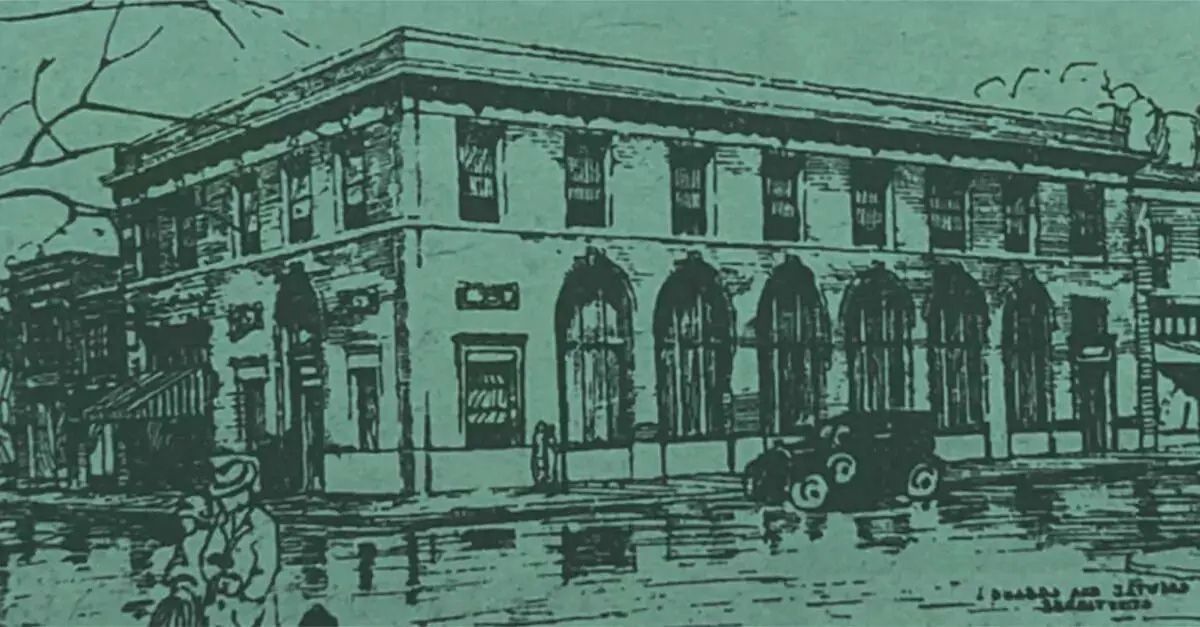
When Lenz, Plumb Works’s long-time marketing agency of record, chose its new headquarters on Decatur Square, they didn’t have to look far for a plumbing partner that could get the job done right — literally right down the street.
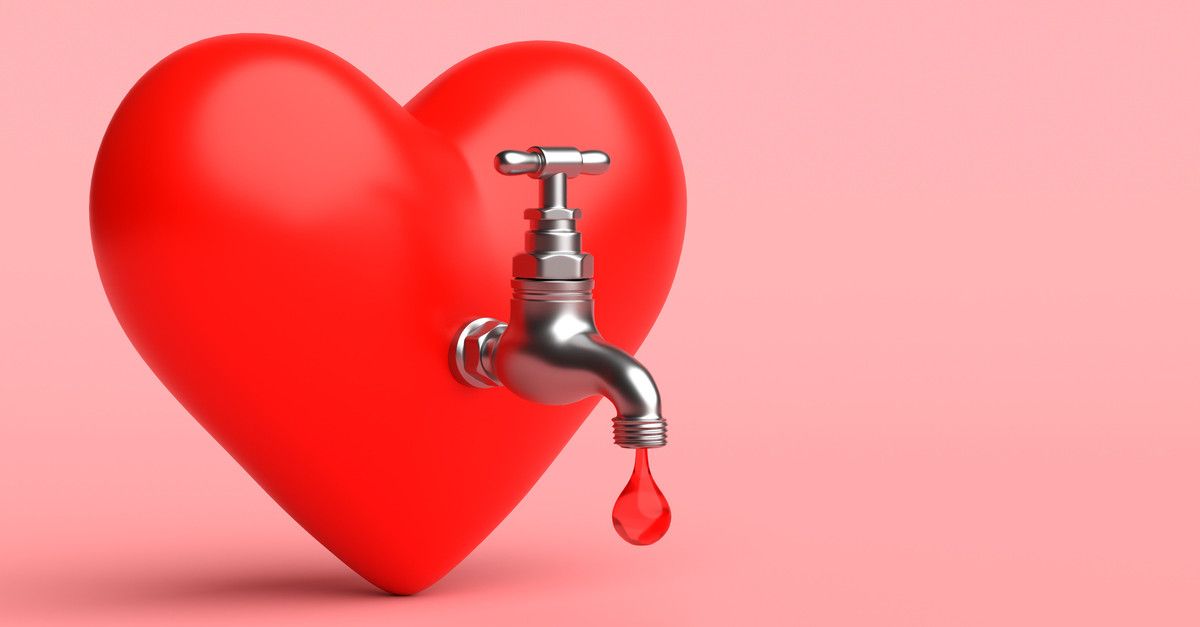
Graphic of water tap connected to a heart shape
February 20, 2026
The following are five ways to keep your plumbing system’s heart beating strong all year long.
January 29, 2026
The following are three of the top plumbing resolutions for your home this year.
January 7, 2026
When a busy restaurant experiences a plumbing issue, every minute counts. High water bills, hidden leaks, and unexpected downtime can impact operations and revenue.
December 18, 2025
Recently, Plumb Works had the opportunity to partner on a successful grease trap replacement project for an Atlanta-area Kentucky Fried Chicken (KFC) restaurant
Handyman and toolbox
December 12, 2025
Business owners and operators can consider the following commercial plumbing calendar to help bypass any issues that might clog your project pipeline.
By Lizzi Skipper November 25, 2025
Nothing puts the cold chill on the festive holiday season like a frozen or burst pipe. Frozen pipes are bad enough, but when they burst, the problem worsens and can easily lead to flood damage requiring costly repairs. This all-too-common occurrence affects an estimated 250,000 homes in America each year. And Georgia may be a hot bed for frozen pipes. According to a State Farm report released in 2023, Georgia topped the list of frozen pipe-related losses at $100 million (from August 2002-August 2023.) Plumb Works remains your go-to source for frozen or burst pipe calls in our service area. However, there are some simple tips you can apply to protect pipes in cold weather and help avoid a house call. Before the thermometer dips below freezing – that’s 32 degrees Fahrenheit – do the following:
Lenz building
October 21, 2025
When Lenz, Plumb Works’s marketing agency of record, moved into its new home, an historic building on the Decatur Square, it didn’t have to look far.
Show More