
Managing Pipe Condensation During Summer Humidity
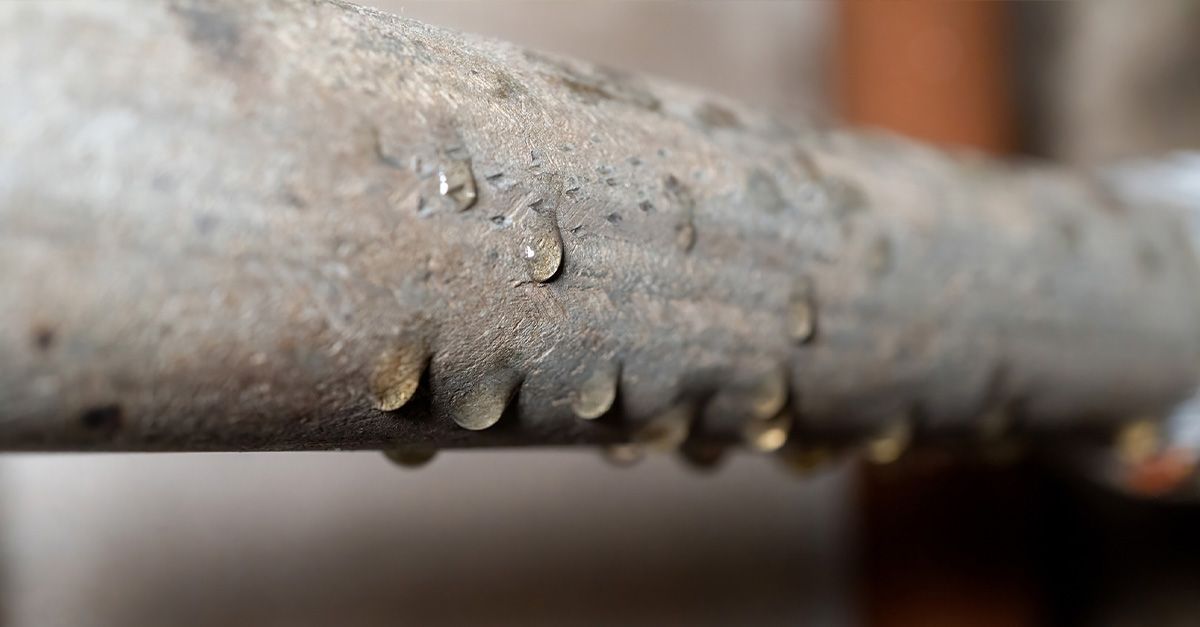
There’s one thing Atlantans have in common during our sizzling summers: at one time or another, we’re all sweating.
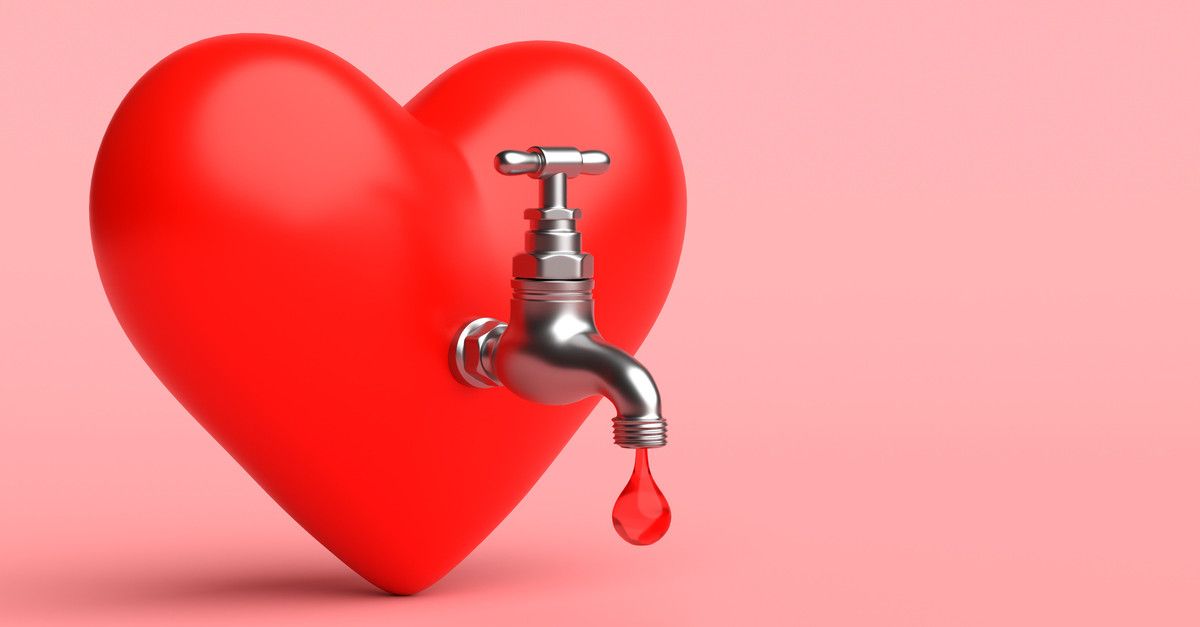
However, it’s not just us. With outdoor dew points on the rise, uninsulated cold-water lines under sinks, crawlspaces, and in basements might be experiencing some sweating of their own in the form of condensation. If this takes place for extended periods, it can lead to issues such as mold growth, structural water damage, and pipe corrosion.
Plumb Works offers three practical, no-sweat tactics you can use to control moisture and protect your pipes this summer.
Insulate Cold Water Lines with Foam Sleeves
Grab some pre-slit foam pipe insulation from your favorite hardware retailer. Installing them on vulnerable pipes provides a thermal barrier, which helps keep humid air from reaching the chilled surface of the pipe. Closed-cell foam sleeves work best. Make sure and seal the seams of the sleeves with acrylic or foil tape. This will stop moisture from finding its way beneath the sleeve. The U.S. Department of Energy is quick to point out that in addition to reducing the risk of condensation forming on the pipes, pipe insulation also protects the pipes from freezing and cracking when winter rolls around.
Control Indoor Relative Humidity
When the relative humidity (RH) inside the home becomes high, your pipes may break a sweat. RH is a percentage that shows how much water vapor is currently in the air compared to the maximum amount it could hold at that specific temperature. When warm, humid air touches a cold pipe, the air right against the surface cools down to its saturation point. Cue the pipe condensation. Lowering the overall RH inside the home lowers the dew point, which lessens the risk of moisture forming into liquid droplets on your pipes and elsewhere. Running a dedicated dehumidifier in a problem area, such as a basement or crawlspace, can lower the RH. Additionally, keeping your central air conditioning running efficiently during humid months helps strip the air of ambient moisture.
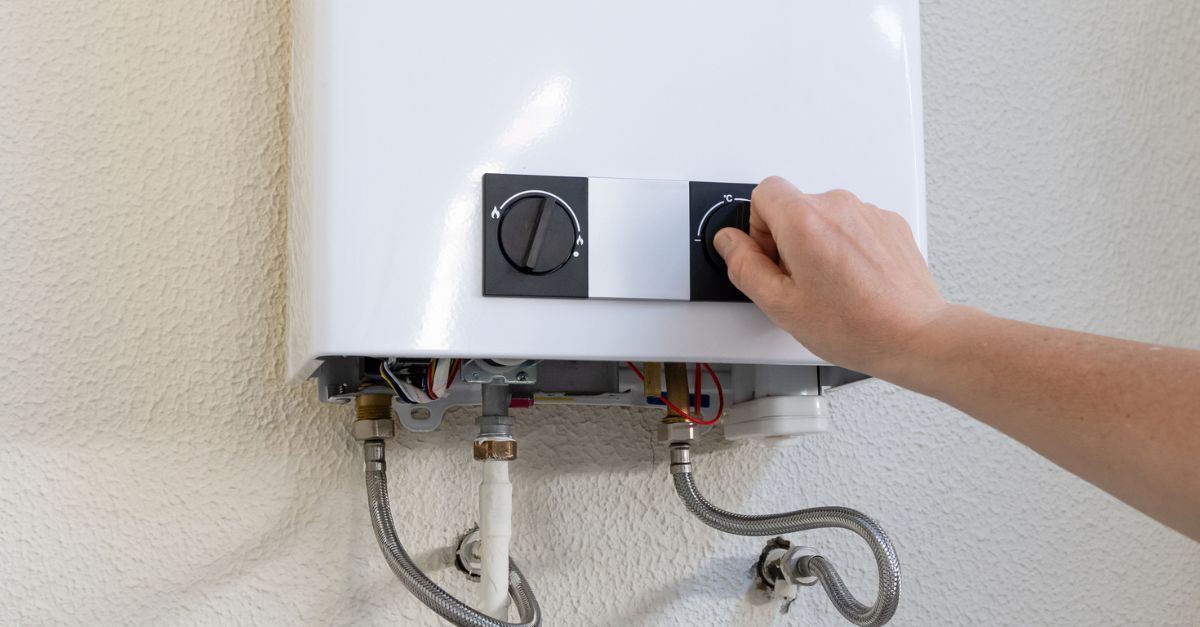
If your home has an electric heat pump water heater, you may have another tool for managing humidity. These units pull heat from the surrounding air to heat your water, and in the process, they can also help dehumidify the space where they are installed. This can be an added benefit during hot, humid weather.
Depending on the conditions and humidity levels in the space, a heat pump water heater may reduce or potentially eliminate the need for a separate dehumidifier. Before removing an existing dehumidifier, however, make sure the heat pump water heater can adequately manage the humidity in that particular space.
Improve Ventilation
Look for stagnant, humid air pockets in your home. These are closed places indoors where warm, moisture-filled air gets trapped and stops moving around. Think under kitchen sinks, crawlspaces, basements, or behind utility closet walls. Humidity can build up because there's no breeze or AC airflow to move it out. You can remedy this by using exhaust fans in bathrooms, kitchens, and laundry rooms to push the humid air outdoors. In living areas, keep ceiling fans running counterclockwise on low, which helps maintain constant room circulation. In basements and utility areas, you can set up a small floor fan and aim it at specific spots to stop still air from setting. Keep interior doors, sink cabinet doors, and closet doors cracked open when it’s hot and humid. This allows central AC airflow the opportunity to reach those enclosed spots.
Let Plumb Works Solve Your Pipe Condensation Problem
Insulation, dehumidification, and proper airflow can be a good trifecta when it comes to keeping your pipes dry throughout the hot summer.
If you have an electric heat pump water heater, its ability to help dehumidify the surrounding space can provide another useful tool for managing summer moisture.
If you’re feeling the heat and need some professional assistance, Plumb Works can provide pipe insulation inspections, leak assessments, moisture checks, and more. Call 404-524-1825 or schedule an appointment online.
Q&A Recap
Why Do Water Pipes Sweat in the Summer?
Water pipes sweat because warm, humid air comes into direct contact with the cold surface of an uninsulated water pipe. As the warm air right against the pipe cools down to its saturation point, the water vapor in the air turns into liquid droplets (condensation).
Can Pipe Condensation Cause Serious Damage to My Home?
Yes. Continuous pipe condensation can lead to severe long-term home damage. Over time, dripping moisture can cause issues such as mold growth, structural water damage, and pipe corrosion.
What Is the Best Type of Insulation to Stop Pipe Sweating?
Closed-cell pre-slit foam pipe sleeves are the best option for stopping pipe condensation. To ensure maximum protection, wrap the foam around cold water lines and seal all seams completely with acrylic or foil tape so humid air cannot reach the pipe surface underneath.
What Relative Humidity Level Stops Pipes from Condensing?
Maintaining an indoor relative humidity (RH) between 40% and 50% significantly reduces the likelihood of pipe condensation. Running a dedicated dehumidifier in basements or crawlspaces and keeping central air conditioning running helps keep indoor RH and dew points low.
If I Have a Heat Pump Water Heater, Can It Replace My Dehumidifier?
It may, depending on the size of the space, the humidity level, and the specific heat pump water heater. Because heat pump water heaters can help dehumidify the space where they are installed, some homeowners may find they no longer need a separate dehumidifier. If you’re considering removing an existing dehumidifier, monitor the humidity level in the space to make sure it remains under control.
How Does Proper Ventilation Prevent Pipe Condensation?
Ventilation prevents condensation by breaking up trapped, stagnant pockets of moist air where water vapor collects. Using exhaust fans, keeping interior and cabinet doors cracked open, and running fans in low-airflow areas ensures drier air circulates constantly around vulnerable pipes.