National Water Quality Month: Understanding Atlanta’s Water Quality
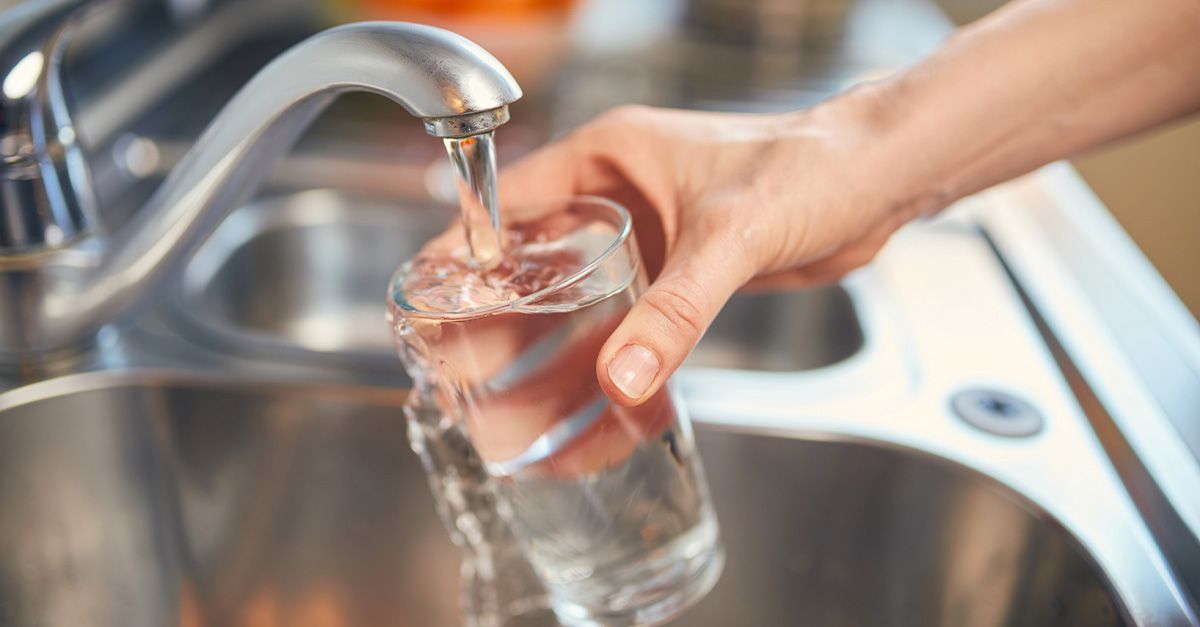
August is National Water Quality Month, a time dedicated to reflecting on the importance of the water we drink, bathe in, and use every day. Here in Atlanta, we are fortunate to have a complex, regulated water infrastructure that brings fresh water into our homes, primarily from the Chattahoochee River. However, even with municipal treatment, many homeowners often wonder about the quality of the water running through their taps.
Understanding your home’s water quality isn’t just about curiosity: it’s about peace of mind, the longevity of your plumbing, and the health of your household.
At Plumb Works, we want you to have up-to-date information about Atlanta’s water quality.
Where Does Atlanta’s Water Come From?
Most of the water in the Atlanta metropolitan area is sourced from the Chattahoochee River. The municipal treatment process is rigorous, adhering to strict federal and state standards set by the Environmental Protection Agency (EPA) and the Georgia Environmental Protection Division. By the time it reaches your pipes, the water has gone through multiple stages of filtration and disinfection to ensure it is safe for consumption.
Why Do Some Homeowners Still Have Concerns?
While municipal water is treated to be safe, there are a few reasons why you might notice differences in the water quality within your home:
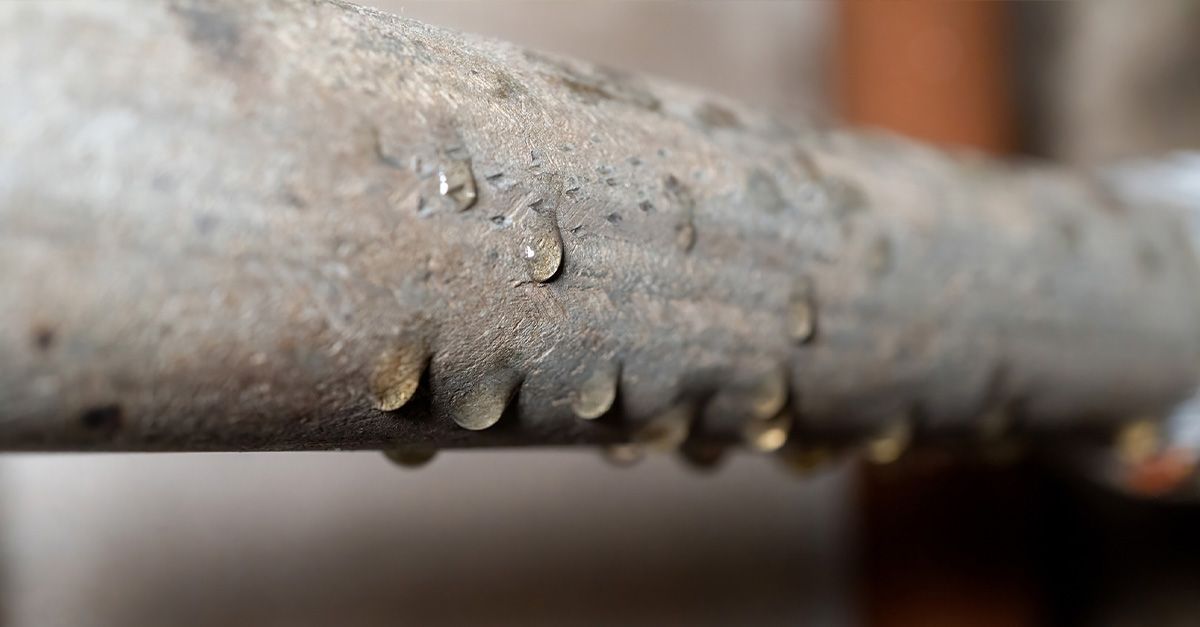
- Aging Pipes: If you live in an older home, the internal plumbing pipes, or even the service line connecting your home to the city main, may be aging. Corrosion in these pipes can sometimes introduce particles or metallic tastes into your water.
- Mineral Content: Atlanta’s water is generally considered "soft" to "moderately hard." Depending on your specific neighborhood and the plumbing materials used, you may occasionally see mineral buildup (often white, chalky residue) around your faucets or showerheads.
- Sediment: During periods of high demand or maintenance on city water lines, it is possible for sediment to get stirred up, leading to temporary cloudiness in your tap water.
How to Assess Your Home Water Quality
If you are concerned about your water, there are simple steps you can take to monitor it:
- Observe Your Water: Pay attention to clarity, smell, and taste. If the water looks discolored (brown or yellow) or has a strong chemical or "rotten egg" odor, these are signs that warrant a closer inspection.
- Check Your Fixtures: Are you seeing frequent sediment buildup on your faucet aerators or showerheads? This might indicate that your water has high mineral content that could benefit from a filtration system.
- Consult a Professional: If you have persistent concerns, the best approach is to contact a licensed plumber. A professional can inspect your home’s plumbing system to identify if the issue is originating from city supply lines or from your home’s internal pipes.
Improving Your Water Quality
For homeowners looking for an extra layer of protection, technology offers excellent solutions. Whole-home water filtration systems are becoming increasingly popular. These systems are installed where the main water line enters your home, effectively filtering the water before it reaches your showers, sinks, and appliances. Benefits include:
- Better-tasting water from every tap.
- Protection for your appliances, such as your water heater, dishwasher, and washing machine, by reducing mineral buildup.
- Gentler water for your skin and hair.
Whether you are interested in a whole-home filtration system, a water softener, or simply need an inspection of your current plumbing system, Plumb Works is here to help you navigate your options.
Q&A Recap
To help you find answers quickly, we’ve compiled common questions about home water quality.
Is Atlanta tap water safe to drink?
Yes. Municipal water in Atlanta undergoes extensive treatment and regular testing to meet or exceed federal and state safety standards set by the EPA.
Why does my tap water sometimes look cloudy?
Cloudy water is often caused by tiny air bubbles trapped in the water, especially in colder months. If the water clears up after sitting for a few minutes, it is generally harmless. However, if the water remains discolored or has an odd odor, contact a plumbing professional.
What is a whole-home water filter?
A whole-home water filtration system is installed at your home’s main water entry point. It filters water for the entire house, ensuring that the water used in your kitchen, bathrooms, and laundry room is free from sediment and impurities.
How do I know if I need a water softener?
If you notice white, crusty buildup on your faucets, stiff laundry after washing, or dry, itchy skin after showering, your home may benefit from a water softener to reduce hard water minerals.
Do you have questions about your home’s water quality or want to discuss filtration options? Contact one of Plumb Works expert technicians today.