
How To Maintain Your Water Heater
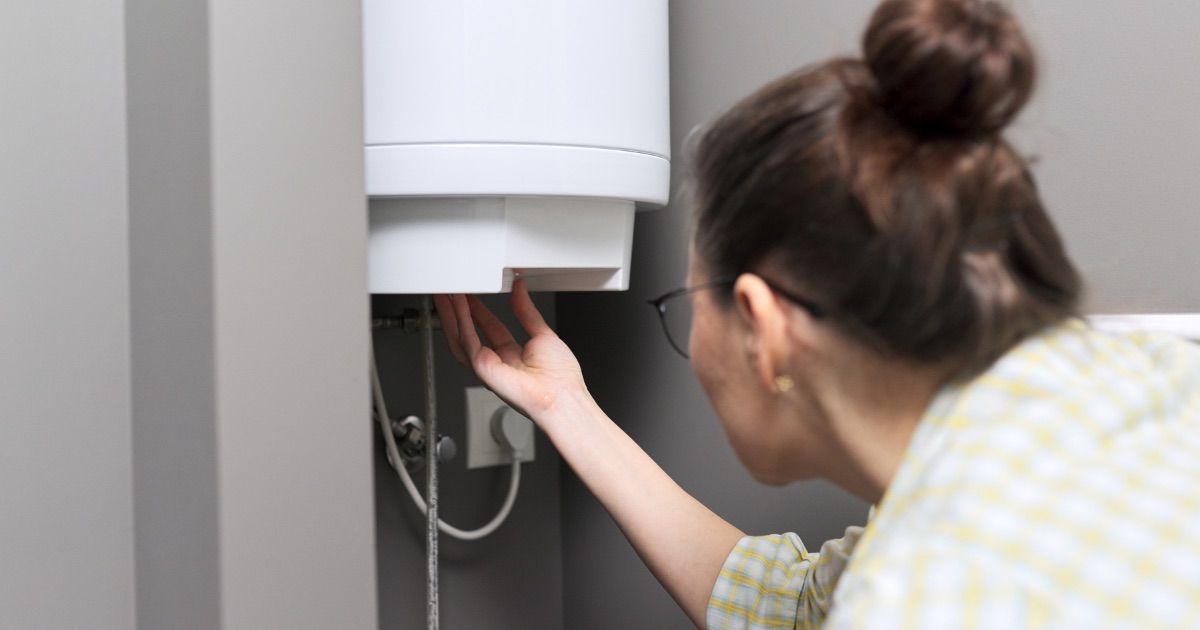
Water heaters are essential to your home, providing you with comfortable showers, clean dishes, and cozy spaces during chilly weather. Yet, these trusty appliances often go unnoticed until a problem arises. Regular water heater maintenance might not be the most exciting task, but it's essential for ensuring the longevity and efficiency of your unit. In this blog post, we'll delve into the importance of routine maintenance, what to watch out for, and situations that put the most stress on your water heater.
Why You Need Routine Maintenance For Your Water Heater
Just like any other appliance, water heaters require regular upkeep to function optimally. Neglecting maintenance can lead to a range of issues that not only decrease the unit's efficiency but also result in costly repairs or even premature replacement.
- Extended Lifespan: A well-maintained water heater can last significantly longer than one that's left unchecked. Routine maintenance helps prevent the accumulation of sediment, rust, and corrosion, which can shorten the heater's lifespan.
- Energy Efficiency: Sediment buildup at the bottom of the tank is a common issue. This layer acts as an insulator, making your water heater work harder to heat water. Regular flushing of the tank removes sediment, allowing the unit to operate efficiently and saving you money on energy bills.
- Consistent Performance: Have you ever experienced fluctuations in water temperature while showering? Neglected water heaters are more likely to suffer from inconsistent water heating, leaving you shivering unexpectedly. Routine maintenance ensures that your unit consistently delivers the desired temperature.
- Reduced Repair Costs: By catching small issues early on, routine maintenance can prevent them from escalating into major problems that require expensive repairs. Regular check-ups can help you catch leaks, pressure valve issues, and other potential concerns before they cause significant damage.
How to Inspect Your Water Heater
While it's recommended to have a professional perform a comprehensive inspection, there are several tasks you can do yourself to keep an eye on your water heater's condition.
Visual Inspection
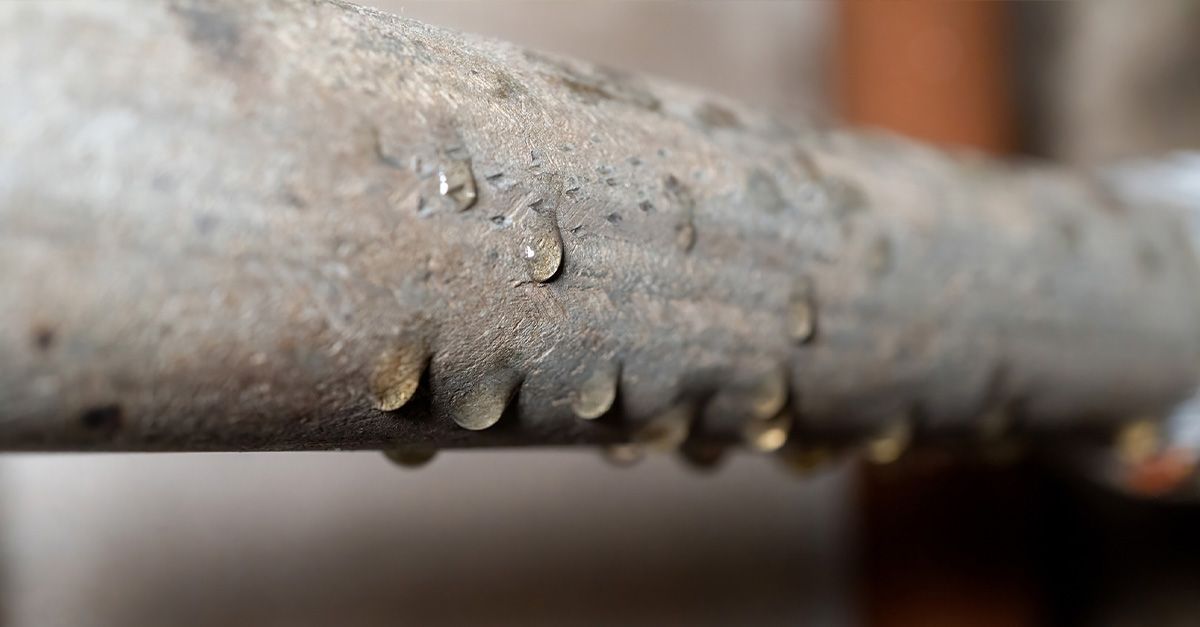
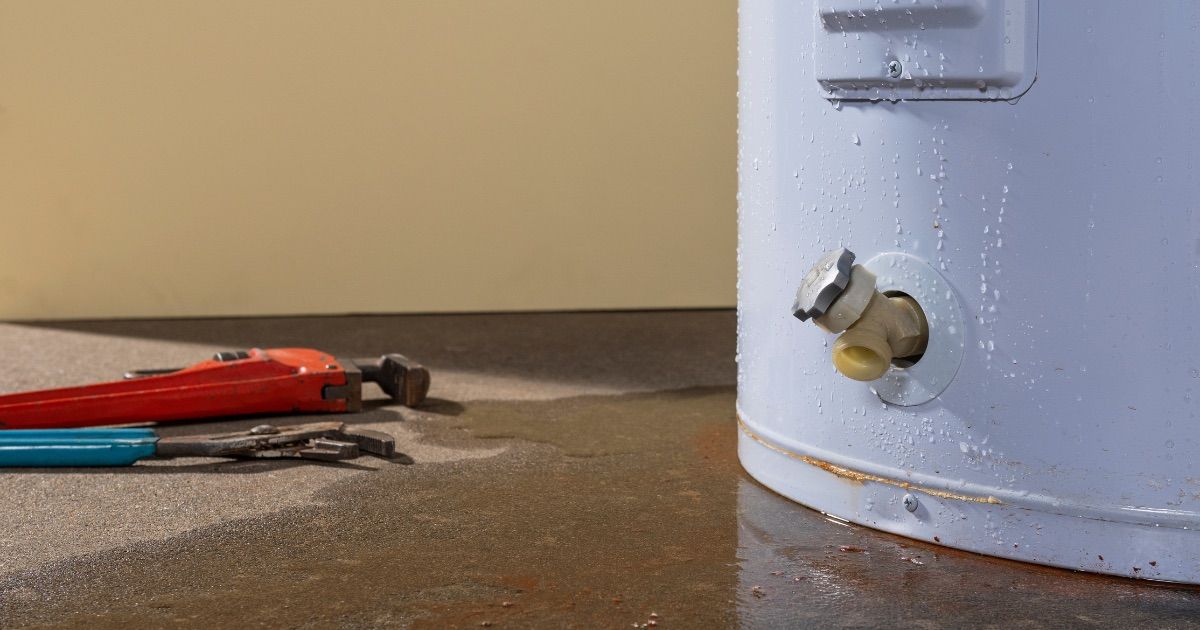
Regularly inspect your water heater for any signs of leaks, rust, or corrosion. Check the pressure relief valve and drain valve for proper functioning.
Water Quality
If you notice a metallic taste or an unusual odor in your hot water, it might indicate that the anode rod in the tank is due for replacement. This rod prevents the tank from corroding, so keeping it in good condition is crucial.
Temperature and Pressure
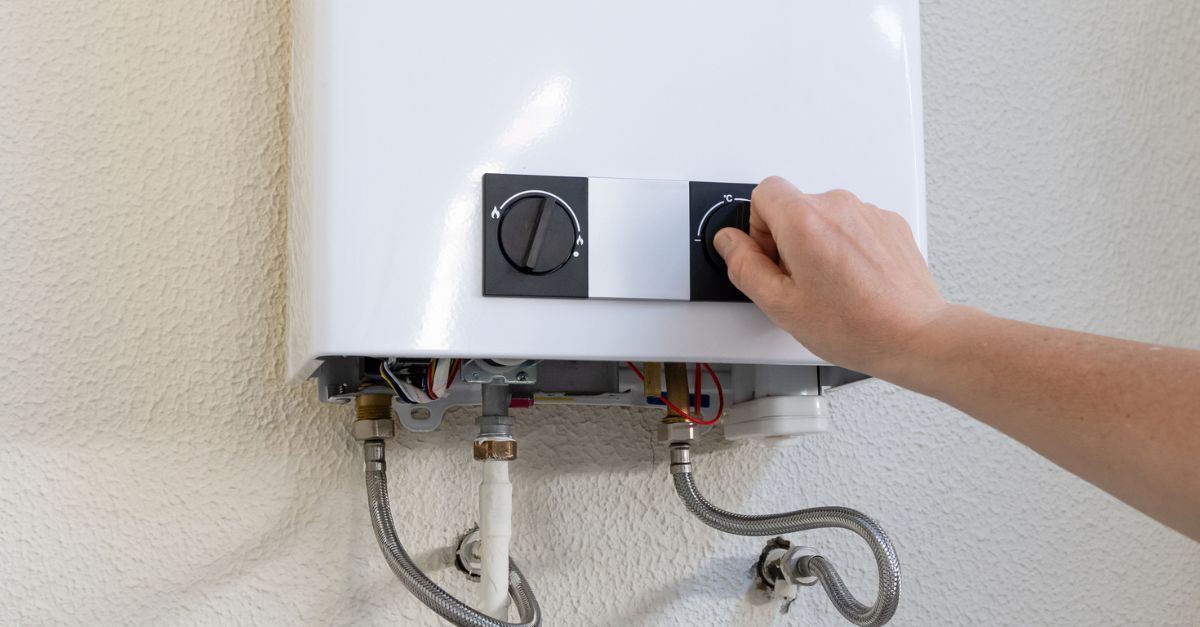
Check the water temperature settings and ensure they're set at a safe and comfortable level. Additionally, verify that the pressure relief valve is functioning correctly by lifting the lever and allowing a small amount of water to discharge. If it doesn't release water, it might be time to replace it.
Draining the Tank
Over time, sediment can accumulate at the bottom of the tank, reducing efficiency and potentially causing damage. Draining a few gallons of water from the tank every few months can help prevent sediment buildup.
Warning Signs and Stressors for Your Water Heater
Certain situations can place additional stress on your water heater, potentially accelerating wear and tear. Being aware of these stressors can help you take extra precautions when necessary.
- Hard Water: If your home has hard water—water with high mineral content—it can lead to faster sediment buildup and mineral deposits inside the tank. Consider installing a water softener to mitigate this issue.
- Frequent Usage: Homes with large families or those that frequently require hot water for various activities, such as running the dishwasher and washing machine simultaneously, can put more strain on the water heater. In such cases, opting for a larger capacity water heater might be advisable.
- High Temperature Settings: Running your water heater at excessively high temperatures not only poses a scalding risk but also contributes to accelerated sediment buildup and corrosion. Keep the temperature settings within safe and efficient ranges.
- Lack of Maintenance: Neglecting routine maintenance is perhaps the most significant stressor on your water heater. Regular maintenance can prevent issues before they escalate and ensure your unit runs smoothly for years to come.
Now Is the time to prepare
Currently, due to the high outside temperature and the ground being 20 degrees warmer, the water entering your house is much warmer too. However, during the winter, it's going to be significantly colder. The biggest risk for water heaters that are over 10 years old are the freezing temperatures like we had last year. This shock can actually lead to cracks in the water heater tank. Obviously, dealing with emergencies or waiting for them is never ideal.
Assess the Age of Your Water Heater
If you're aware that your water heater is between 12 to 15 years old or even older, it's a wise choice to take action now rather than procrastinating. Postponing the issue could escalate into an emergency situation, potentially causing flooding and damage. Not to mention the hassle of cleaning up the mess. Being proactive is definitely the smart approach.
You might be wondering, "How can I find how old my water heater is?" Well, here's an interesting tip: It's somewhat like checking a car. There's a plate or sticker somewhere on it that indicates the manufacturer, but it doesn't typically mention a year like "1999". They use serial numbers instead. To figure it out, all you need to do is visit the manufacturer's website. Just input the serial number, and voilà, you'll get the information.
How A Technician Can Help
If you'd rather leave this to the professionals, no worries. Our Plumb Works technicians have apps for the four major water heater manufacturers on their phones. They can quickly retrieve this information for you during their visit. This also applies if your water heater was installed by a company other than Plumb Works. Our techs can call the manufacturer to verify any previous work, like warranty-related fixes before beginning repairs. In fact, water heaters typically come with a warranty period of 5 to 6 years. If something was covered and replaced under warranty, it'll be on record. Manufacturers keep track of these details and would be able to provide insight to homeowners warranty claims, repairs, and replacements, which encourages proactive engagement.
“It's easy for homeowners to gather information about their water heaters themselves, but we're here to assist if needed. It all comes down to preventive maintenance” says Plumb Works owner Jerome Sabol.
Schedule Your Service With Plumb Works
Your water heater might not be the most attention-grabbing appliance in your home, but it certainly plays a vital role in your daily comfort. By committing to a routine maintenance schedule, keeping a watchful eye on your unit's condition, and being mindful of stressors, you can significantly extend its lifespan, improve energy efficiency, and avoid costly repairs. Remember, a little investment in time and effort today can save you from a headache—and a chilly shower this winter. For Atlanta water heater repairs, call Plumb Works today at 404-524-1825!