Storm Drain Cleaning: Your Guide to Preventing Leaf Buildup and Overflow
October 31, 2024

As fall brings cooler temperatures and vibrant foliage, it’s easy to forget that falling leaves can create significant problems for your storm drains. Both residential and commercial properties are at risk, especially when regular maintenance is neglected. In this blog, we’ll discuss the importance of cleaning storm drains, how leaf buildup leads to overflow, and why keeping up with maintenance can prevent expensive repairs.


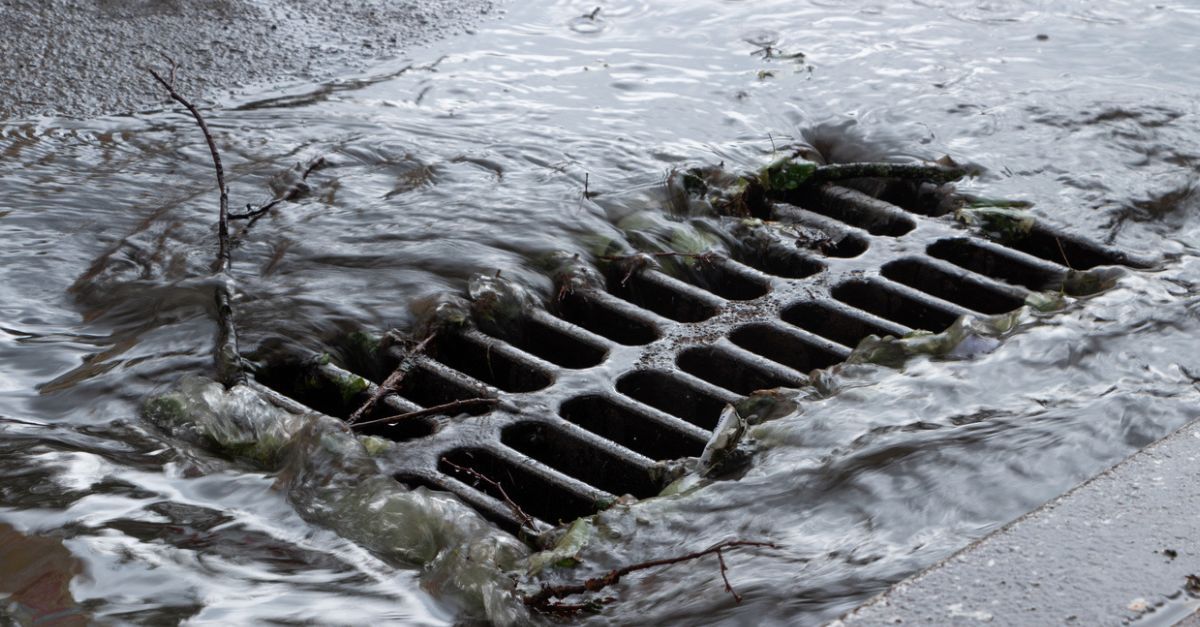
The Problem with Leaf Buildup in Storm Drains


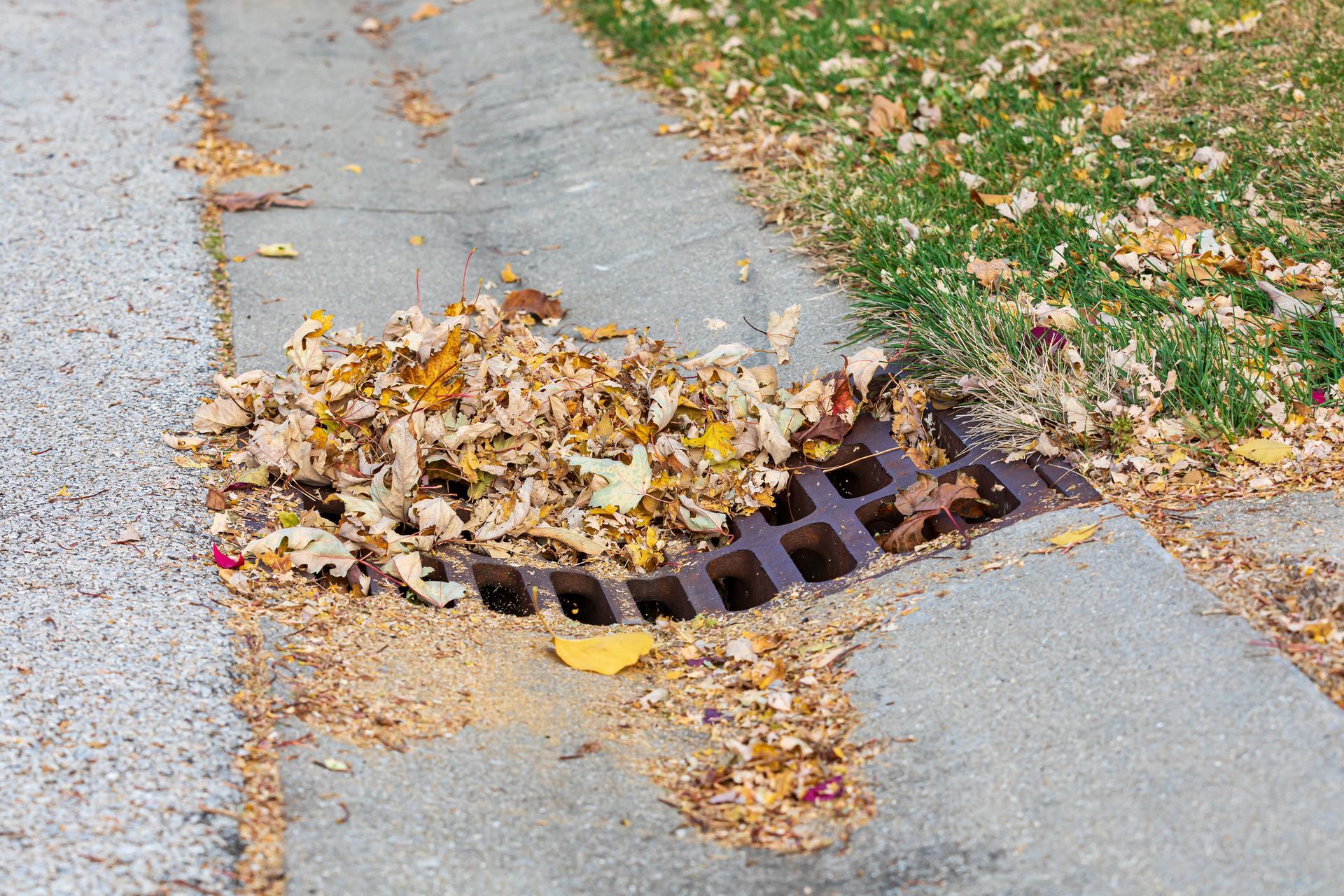
Fallen leaves may look harmless, but when they accumulate in storm drains, they create blockages that prevent water from flowing freely. This can cause:

  • Overflowing drains in parking lots
  • Water damage to building foundations and basements
  • Unpleasant smells, especially for commercial properties that haven’t maintained their storm drains in 5+ years


Leaf buildup is often forgotten until it’s too late and the water starts overflowing. Regular cleaning is the key to preventing these issues.


Why Regular Maintenance is Essential


Storm drain maintenance should be conducted at least once a year, or every other year in lower-risk areas. This can include:

  • Camera inspections to check for blockages or damage.
  • Jetting lines to clear out leaves and other debris.


Maintenance is especially critical if your home or commercial property sits below street level. Properties at a lower elevation are more susceptible to flooding, and clogged storm drains can make this worse.

If your house or business is above street level we recommend you perform storm drain maintenance once every 2 years unless you notice frequent leaf buildup in the storm drain grates on your property.


The Dangers of Waiting Too Long


All it takes is one large storm for clogged drains to cause a sewer overflow. While overflow often occurs in parking lots, the worst-case scenario involves water backing up into your building’s foundation or basement. This can lead to structural damage, mold, and costly repairs.


For commercial properties, water damage can also disrupt business operations and create liability concerns. Property owners who neglect maintenance for five or more years might even notice persistent foul odors, which could indicate significant buildup and the presence of trapped debris or stagnant water.


How to Prevent Overflow After a Storm

The best way to prevent storm drain overflow is to stay on top of regular maintenance. However, if a storm hits and you suspect your drains may be blocked, it’s important to act quickly:


  1. Check for standing water in low-lying areas or parking lots.
  2. If you notice an overflow, call a professional to inspect and clear your storm drains immediately.
  3. After heavy storms, consider scheduling a post-storm inspection to ensure everything is functioning properly.

Protect Your Home and Business With Plumb Works


Storm drain cleaning is an easy task to forget, but it’s crucial for avoiding water damage and keeping your property safe. By maintaining your drains yearly or every other year, you can rest easy knowing your property is protected from the dangers of leaf buildup and storm drain overflow.


Whether you own a home or a commercial building, regular inspections and maintenance will save you from costly repairs in the future. Don't wait until after the next big storm—schedule your storm drain cleaning with Plumb Works today!

glass of water
April 20, 2026
When we think about spring cleaning our home, images like decluttering the garage or washing windows often come to mind. However, spring cleaning our home water quality isn’t always top of mind. Yet the time is certainly right.
storm drain
March 23, 2026
Being proactive remains a key element of a successful business, and it certainly holds true when preparing for the possible devastating effects of stormy season. Spring remains one of the Atlanta area’s rainiest times of the year. According to Weather Spark, the average monthly rainfall from March through May ranges from 3 to 4.6 inches. Heavy spring storms can rain hard on a commercial facility. If unprepared, it can potentially lead to serious problems, causing everything from business downtime to costly repercussions. The following are several heavy rain-related issues that can cast a dark cloud on a commercial building and how to avoid them. Sump Pump: Fighting the Flood When it comes to flooding, stormwater remains a dreaded culprit. Having a properly functioning sump pump can help proactively help fight a flood. A sump pump collects groundwater from around a building’s foundation and pumps it away from the structure, deterring damage. Plumb Works suggests all businesses have one, especially those with a crawlspace or basement. Consult the experts at Plumb Works for sump pump installation, replacement, and preventative maintenance. Protection from Sewer Backups Heavy rains can overload a city’s sewer system. Backwater valves, a specific type of backflow prevention device, protect businesses from sewer backups by allowing wastewater out, but automatically closing to keep sewage from flowing backward. Plumb Works can install, test, and make sure your backwater valve is working properly. The Importance of Storm Drains Commercial storm drains are equipped to drain excess rain and groundwater from the areas surrounding a business, such as parking lots and sidewalks, preventing flooding, damages, and unsafe conditions. Some storm drain systems include a catch basin, which captures stormwater and separates any debris that may have come along with it. Having Plumb Works inspect, clean, and repair storm drains and catch basins can help businesses avoid a flood of unwanted costs. Cutting Out Grease Commercial kitchens require a grease trap, which keeps the plumbing system from being impacted by an overload of grease. If a grease trap isn’t functioning properly, it can have an adverse effect on a plumbing system during heavy rain. Too much grease limits pipe capacity, which can cause heavy rain to overwhelm a system, leading to backups. To avoid this, consult a plumbing professional company like Plumb Works that specializes in grease trap services. Avoiding Clogged Drains Plumbing systems in commercial facilities often fall prey to clogged pipes due to unwanted items being flushed or disposed of down drains. This can further complicate things when a mass amount of rain overwhelms a plumbing system. Businesses experiencing frequent clogs can benefit from hydro jetting. The most effective drain-cleaning solution available, hydro jetting uses high-pressure water jets to blast through clogged drains and restore peak plumbing performance. Schedule hydro jetting in advance of the rainy season to make sure pipes are functioning at their best under any possible pressure. Plumb Works Can Help Protect Your Business During Rainy Season Don’t let your business get washed away due to flooding and sewer backup challenges during the rainy season. Lean on a Plumb Works expert by calling 404-524-1825 or scheduling an appointment online.
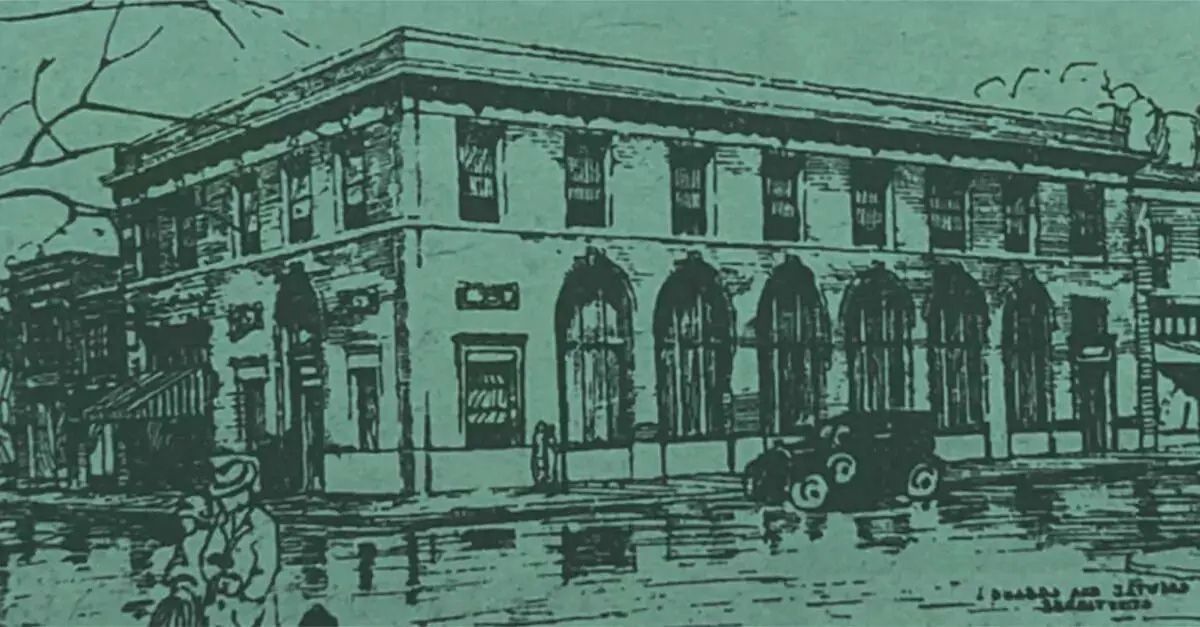
An antique shot of the Lenz Building
February 26, 2026
When Lenz, Plumb Works’s long-time marketing agency of record, chose its new headquarters on Decatur Square, they didn’t have to look far for a plumbing partner that could get the job done right — literally right down the street.
Graphic of water tap connected to a heart shape
February 20, 2026
The following are five ways to keep your plumbing system’s heart beating strong all year long.
January 29, 2026
The following are three of the top plumbing resolutions for your home this year.
January 7, 2026
When a busy restaurant experiences a plumbing issue, every minute counts. High water bills, hidden leaks, and unexpected downtime can impact operations and revenue.
December 18, 2025
Recently, Plumb Works had the opportunity to partner on a successful grease trap replacement project for an Atlanta-area Kentucky Fried Chicken (KFC) restaurant
Handyman and toolbox
December 12, 2025
Business owners and operators can consider the following commercial plumbing calendar to help bypass any issues that might clog your project pipeline.
By Lizzi Skipper November 25, 2025
Nothing puts the cold chill on the festive holiday season like a frozen or burst pipe. Frozen pipes are bad enough, but when they burst, the problem worsens and can easily lead to flood damage requiring costly repairs. This all-too-common occurrence affects an estimated 250,000 homes in America each year. And Georgia may be a hot bed for frozen pipes. According to a State Farm report released in 2023, Georgia topped the list of frozen pipe-related losses at $100 million (from August 2002-August 2023.) Plumb Works remains your go-to source for frozen or burst pipe calls in our service area. However, there are some simple tips you can apply to protect pipes in cold weather and help avoid a house call. Before the thermometer dips below freezing – that’s 32 degrees Fahrenheit – do the following:
Lenz building
October 21, 2025
When Lenz, Plumb Works’s marketing agency of record, moved into its new home, an historic building on the Decatur Square, it didn’t have to look far.
Show More