Is Your Water Heater Ready for Atlanta’s Crisp Autumn Mornings?
Chase Aertker • October 26, 2026
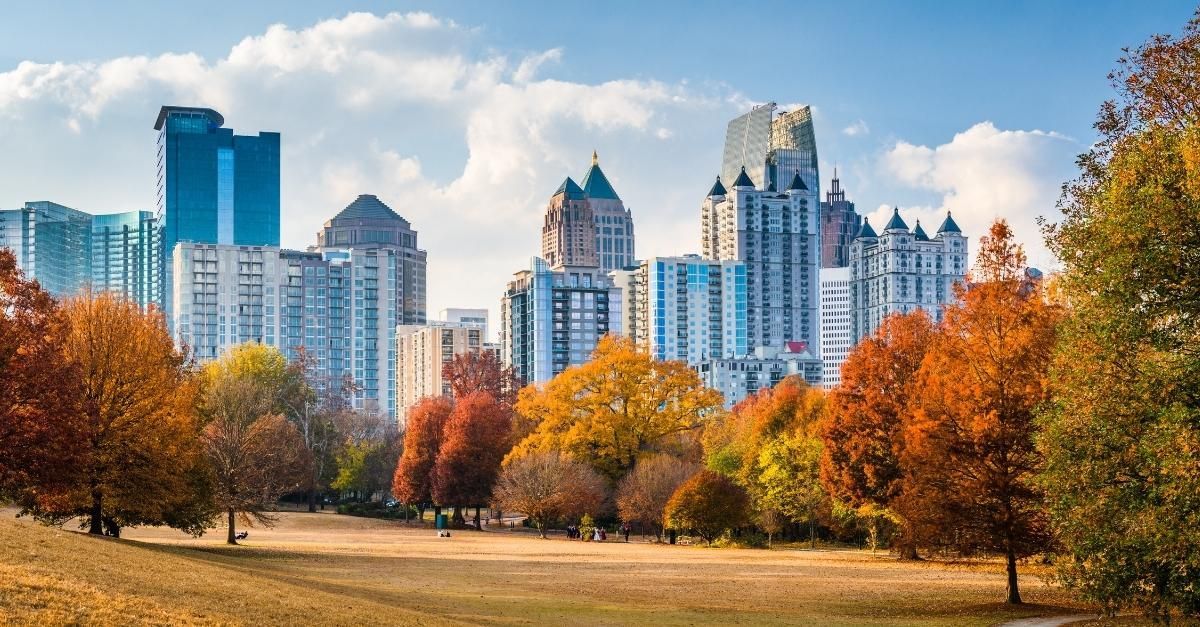
The Atlanta skyline in autumn.

As the summer heat finally breaks across metro Atlanta, crisp morning air, changing leaves, and cooler temperatures take its place. While autumn brings a welcome reprieve from sweltering humidity, it also shifts how we use energy and water inside our homes.


During the fall, incoming groundwater temperatures drop significantly. Your unit must work considerably harder to heat incoming cold water to your desired temperature—all while your household relies more heavily on long, steaming showers and frequent hot water cycles for laundry. If your system isn't prepared, these seasonal changes can lead to lukewarm showers, higher energy bills, or sudden equipment failure.


Key Steps to Prepare Your Water Heater for Fall


Taking a few proactive measures now can ensure your system runs efficiently all season long:


  • Flush Sediment Build-Up: Over time, naturally occurring minerals settle at the bottom of traditional water heater tanks. This sediment creates an insulating barrier between the heating element and the water, forcing your unit to run longer and consume more energy. A thorough tank flush restores proper heat transfer and efficiency.
  • Test the Temperature & Pressure (T&P) Relief Valve: This crucial safety feature releases excess pressure if the tank gets too hot. Gently lifting the valve lever should release a small burst of water into the drainpipe. If nothing happens or it leaks continuously, the valve needs prompt replacement.
  • Inspect the Anode Rod: Often called the "sacrificial rod," this component attracts corrosive minerals to protect the interior lining of your tank. Checking and replacing a worn anode rod can add years to your unit's lifespan.
  • Insulate Exposed Pipes & Tank: In unheated basements or garages, insulating exposed hot water pipes and placing an insulating blanket around older tank models helps prevent rapid heat loss during chilly autumn nights.
  • Consider Upgrading to Modern Solutions: If your existing system is over 10 to 12 years old, upgrading to a high-efficiency model or switching to continuous hot water with tankless water heaters can lower your monthly utility costs while providing endless hot water.


When to Call a Professional Plumbing Expert


While basic visual checks are great habit for homeowners, comprehensive maintenance and repairs are best handled by licensed professionals. If you notice popping or rumbling noises, discolored hot water, slow heating times, or moisture around the base of the unit, don't wait for a complete cold-water emergency.

Our experienced technicians provide complete water heaters services, including professional flushing, component inspections, performance tuning, and replacement options tailored to your household's peak demands. To ensure your system remains in top condition year-round, check out our annual residential maintenance plans or browse our current coupons for seasonal savings.

Don't let a sudden breakdown ruin a cold morning. Schedule service with Plumb Works today to keep your hot water flowing reliably all autumn long!

Q&A Recap

  • Why does my water take longer to heat up in the fall?

    As temperatures drop, the incoming municipal water and groundwater are significantly colder than during the summer. Your water heater must work harder and take more time to bring that colder water up to your setting. Additionally, heat escapes faster from uninsulated hot water pipes as they travel through chilly basements or crawlspaces.

  • What temperature should my water heater be set to during autumn?

    The standard recommended temperature setting for residential water heaters is 120°F (49°C). This setting provides optimal hot water for daily domestic use while preventing accidental scalding and minimizing standby energy losses.

  • How often should a water heater be flushed?

    It is best practice to have your water heater flushed at least once a year. In areas like metro Atlanta where mineral deposits can accumulate over time, annual flushing prevents sediment buildup that causes inefficient heating, popping noises, and premature tank failure.

  • What are the main signs that my water heater needs to be replaced?

    Key indicators include an age exceeding 10 to 12 years, rusty or discolored hot water, persistent popping or rumbling noises from the tank, visible water pooling or leaks around the base, and an inability to supply enough hot water for normal household demand.
Atlanta Game Day Garbage Disposal Tips | Plumb Works
By Chase Aertker • September 28, 2026
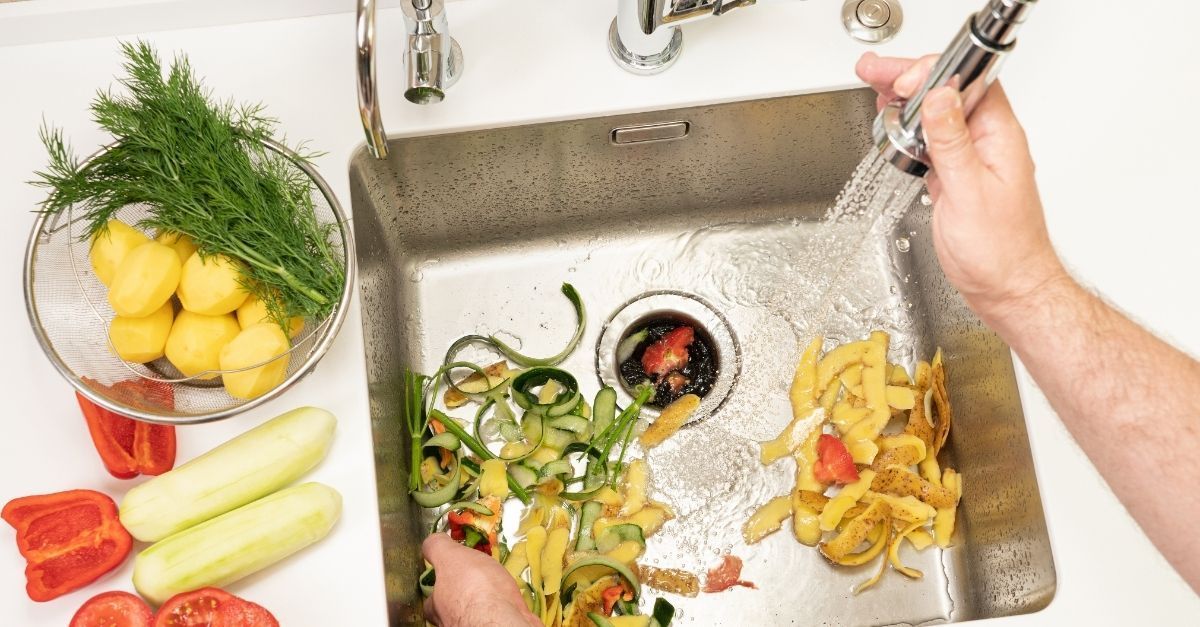
Hosting game day in Atlanta? Know what never goes down your garbage disposal, how to clear a jam, and when to call Plumb Works for backup.
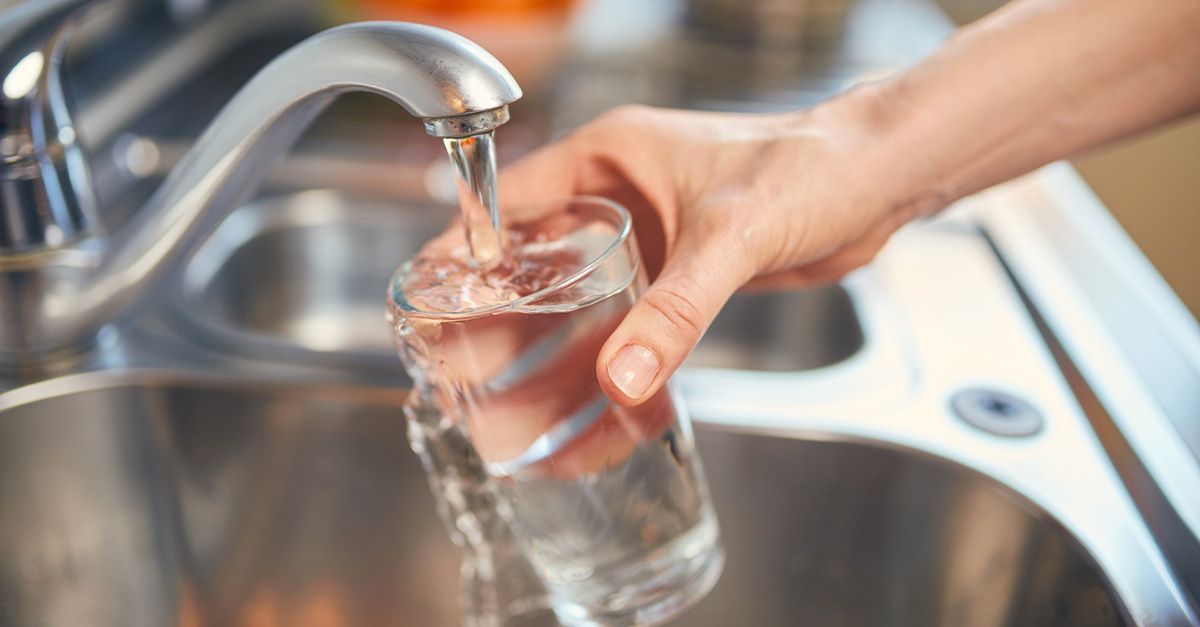
Water is being poured out of a sink as tap water.
August 28, 2026
August is National Water Quality Month, a time dedicated to reflecting on the importance of the water we drink, bathe in, and use every day.
A metal pipe dripping condensation.
July 30, 2026
There’s one thing Atlantans have in common during our sizzling summers: at one time or another, we’re all sweating.
A running sprinkler system in the Georgia heat
June 25, 2026
With Atlanta temps hitting 90°F+ this summer, water use spikes. Learn how to protect your home and wallet with tips from Plumb Works.
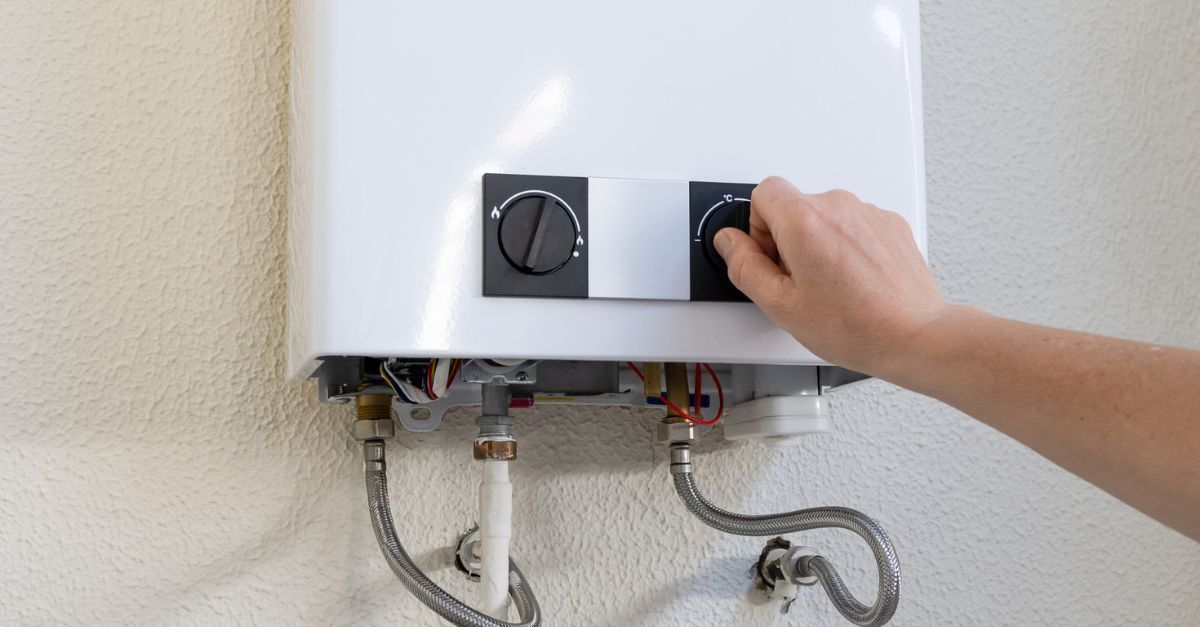
tankless water heater
May 12, 2026
Today, more and more consumers are bypassing traditional water heaters for tankless versions, especially those looking for a more eco-conscious, money-saving alternative.
glass of water
April 20, 2026
When we think about spring cleaning our home, images like decluttering the garage or washing windows often come to mind. However, spring cleaning our home water quality isn’t always top of mind. Yet the time is certainly right.
storm drain
March 23, 2026
Being proactive remains a key element of a successful business, and it certainly holds true when preparing for the possible devastating effects of stormy season. Spring remains one of the Atlanta area’s rainiest times of the year. According to Weather Spark, the average monthly rainfall from March through May ranges from 3 to 4.6 inches. Heavy spring storms can rain hard on a commercial facility. If unprepared, it can potentially lead to serious problems, causing everything from business downtime to costly repercussions. The following are several heavy rain-related issues that can cast a dark cloud on a commercial building and how to avoid them. Sump Pump: Fighting the Flood When it comes to flooding, stormwater remains a dreaded culprit. Having a properly functioning sump pump can help proactively help fight a flood. A sump pump collects groundwater from around a building’s foundation and pumps it away from the structure, deterring damage. Plumb Works suggests all businesses have one, especially those with a crawlspace or basement. Consult the experts at Plumb Works for sump pump installation, replacement, and preventative maintenance. Protection from Sewer Backups Heavy rains can overload a city’s sewer system. Backwater valves, a specific type of backflow prevention device, protect businesses from sewer backups by allowing wastewater out, but automatically closing to keep sewage from flowing backward. Plumb Works can install, test, and make sure your backwater valve is working properly. The Importance of Storm Drains Commercial storm drains are equipped to drain excess rain and groundwater from the areas surrounding a business, such as parking lots and sidewalks, preventing flooding, damages, and unsafe conditions. Some storm drain systems include a catch basin, which captures stormwater and separates any debris that may have come along with it. Having Plumb Works inspect, clean, and repair storm drains and catch basins can help businesses avoid a flood of unwanted costs. Cutting Out Grease Commercial kitchens require a grease trap, which keeps the plumbing system from being impacted by an overload of grease. If a grease trap isn’t functioning properly, it can have an adverse effect on a plumbing system during heavy rain. Too much grease limits pipe capacity, which can cause heavy rain to overwhelm a system, leading to backups. To avoid this, consult a plumbing professional company like Plumb Works that specializes in grease trap services. Avoiding Clogged Drains Plumbing systems in commercial facilities often fall prey to clogged pipes due to unwanted items being flushed or disposed of down drains. This can further complicate things when a mass amount of rain overwhelms a plumbing system. Businesses experiencing frequent clogs can benefit from hydro jetting. The most effective drain-cleaning solution available, hydro jetting uses high-pressure water jets to blast through clogged drains and restore peak plumbing performance. Schedule hydro jetting in advance of the rainy season to make sure pipes are functioning at their best under any possible pressure. Plumb Works Can Help Protect Your Business During Rainy Season Don’t let your business get washed away due to flooding and sewer backup challenges during the rainy season. Lean on a Plumb Works expert by calling 404-524-1825 or scheduling an appointment online.
An antique shot of the Lenz Building
February 26, 2026
When Lenz, Plumb Works’s long-time marketing agency of record, chose its new headquarters on Decatur Square, they didn’t have to look far for a plumbing partner that could get the job done right — literally right down the street.
Graphic of water tap connected to a heart shape
February 20, 2026
The following are five ways to keep your plumbing system’s heart beating strong all year long.
January 29, 2026
The following are three of the top plumbing resolutions for your home this year.
Show More