How to Prevent Thanksgiving Garbage Disposal Catastrophes
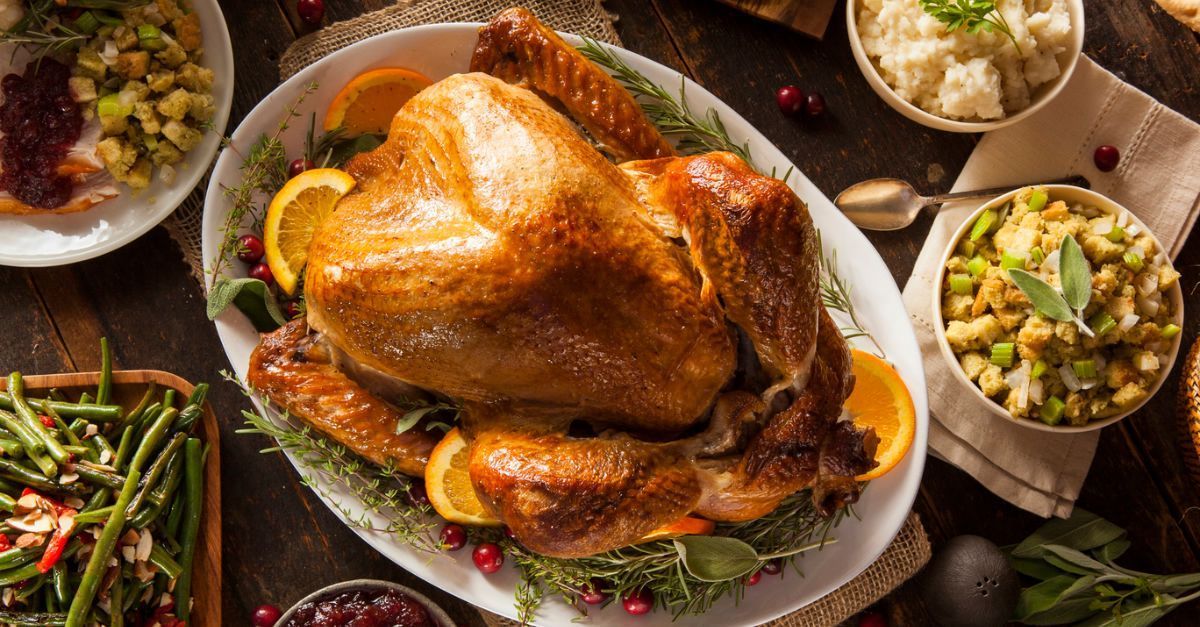
Thanksgiving remains the biggest cooking day of the year with kitchens across the country in full seasonal swing. A USDA Economic Research Service study says the average American spends more than two hours prepping a meal and cleaning up on Thanksgiving.
This means massive meal prep and after-dinner plate scraps often put serious strain on kitchen plumbing. In fact, Black Friday can indeed be a dark day for homeowners with clogged drains due to garbage disposal overuse.
But don’t let pre-cooking jitters ruffle your feathers. Plumb Works offers three simple disposal tips to help you enjoy the holiday gobble without feeling like a turkey afterward.
Keep Fats, Oils, and Grease Out of the Sink
Remember this acronym: FOG. It stands for fats, oils, and grease. When any of those three go down your drain, they can solidify as they cool and coat pipe walls. Cutting through this type of FOG can be troublesome. If it gets too thick, it can trap food debris and clog your drain. After the big feast, keep turkey drippings, melted butter, gravy, and cooking oils far from your kitchen drain.
Action Item: Once grease cools, pour into a disposable container, such as an empty coffee or soup can, and toss it in the trash. Be sure to wipe greasy roasting pans with a paper towel before washing.
Stuff Your Turkey, Not the Disposal
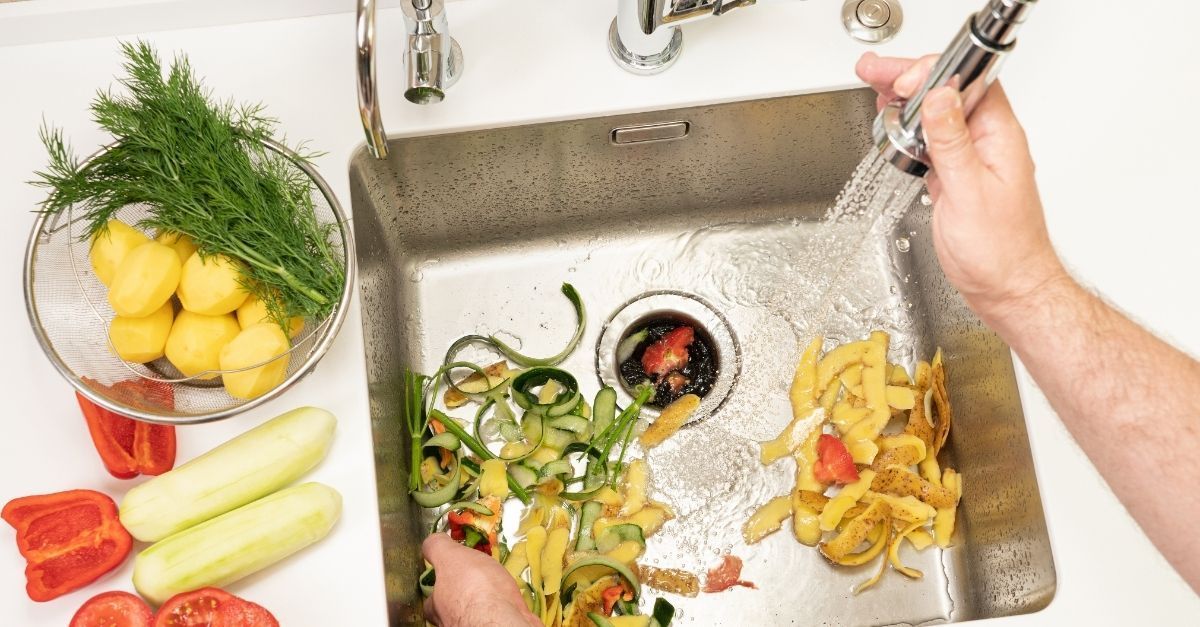
When you’re busy whipping up a Thanksgiving dinner, meal preparation can result in a huge amount of waste. Think broccoli stems, celery, potato peels, turkey bones, stuffing, and more. Garbage disposals are built for light food scraps, not heavy ones. If you stuff your disposal like a T-day bird, you might as well have your emergency plumber’s number saved on your phone.
Action Item: Scrape food scraps off cutting boards and plates and into the trash or compost first.
Use Cold Water and Feed Scraps Slowly
As mentioned earlier, if you dump a full bowl of scraps down the drain at once, it can likely overwhelm the disposal unit. And running hot water melts grease just enough to move it down the pipeline before it hardens.
Action Item: Before starting the disposal, turn on a strong stream of cold water. Next, gradually feed small amounts of scrap food down the drain as you grind. Once you’re done and turn off the disposal, let the water run for 10 to 15 seconds. This helps flush particles completely past the P-trap, the section of pipe found directly beneath the sink and garbage disposal.
Plumb Works Can Be Your After-Dinner Guest
Remember, your garbage disposal is your cleanup buddy, but not a trash can. If you experience a garbage disposal issue, Plumb Works can provide emergency holiday service. Ideally, get ahead of any potential problems by addressing any slow drains or disposal challenges before guests arrive. Call 404-524-1825 or schedule an appointment online.
Q&A Recap
Is Thanksgiving Day the biggest cooking day in America?
Yes. According to a USDA Economic Research Service study, the average American spends more than two hours prepping a meal and cleaning up on Thanksgiving.
Can fats, oils, and grease clog your kitchen drain?
Yes. Fats, oils, and grease can solidify as they cool and coat pipe walls, which can trap food debris and clog your drain.
Can you put food scraps down the kitchen drain garbage disposal?
Yes. However, garbage disposals are built for light food scraps. Scrape heavy food scraps off cutting boards and plates and into the trash or compost.
Should you use cold water when using the garbage disposal?
Yes. Once you’re done using the garbage disposal, let cold water run for 10 to 15 seconds. This helps flush particles completely past the P-trap.